
Patient Hygiene and Transfer Equipment
LIOMAR supplies shower trolleys and shower and commode chairs from TR Equipment and Rebotec to care facilities across Canada, and assembles the Wishower in-bed shower in Canada. Each chair, trolley and lift lists its maximum load, as documented by its manufacturer.
All hygiene and transfer equipment
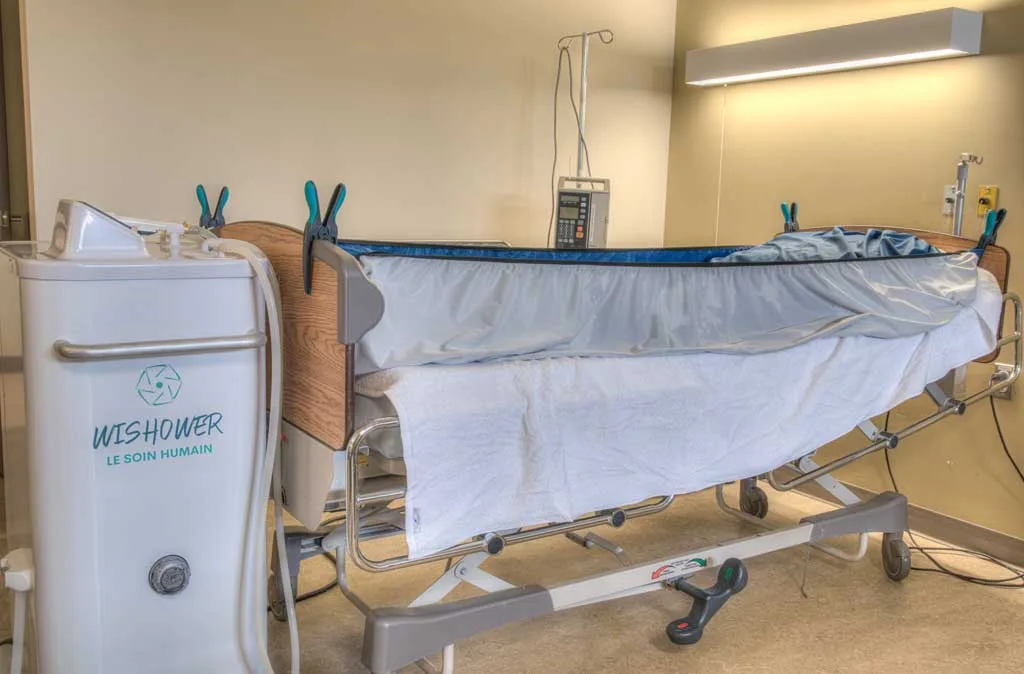
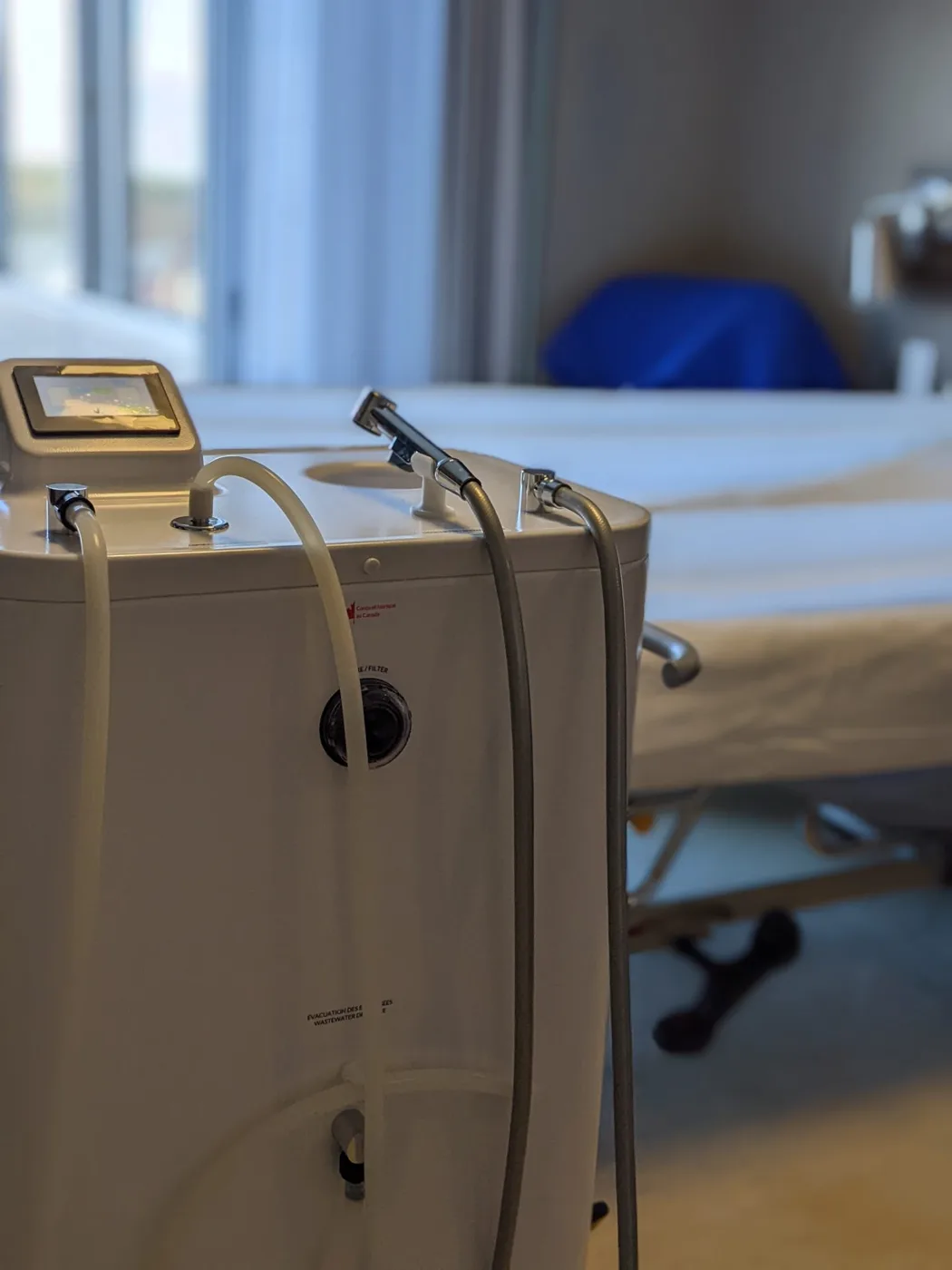
Wishower In-Bed Shower
In-bed shower · Standard and bariatric beds · Canadian product
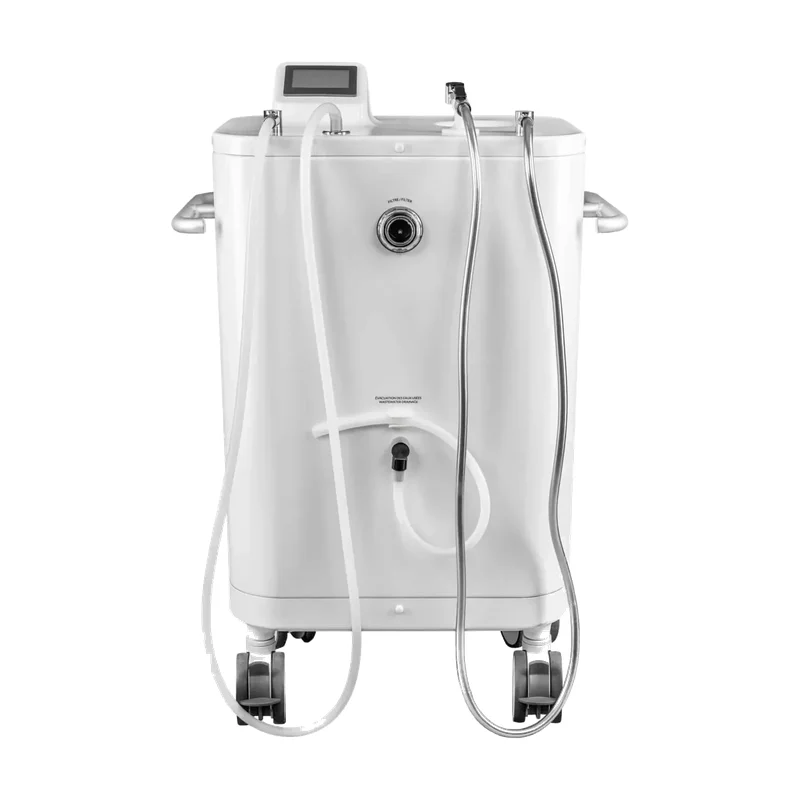
Dallas Bariatric Commode Chair
Bariatric commode chair · Max. load 200 kg (440 lb) · Seat height 560 mm (22 in)
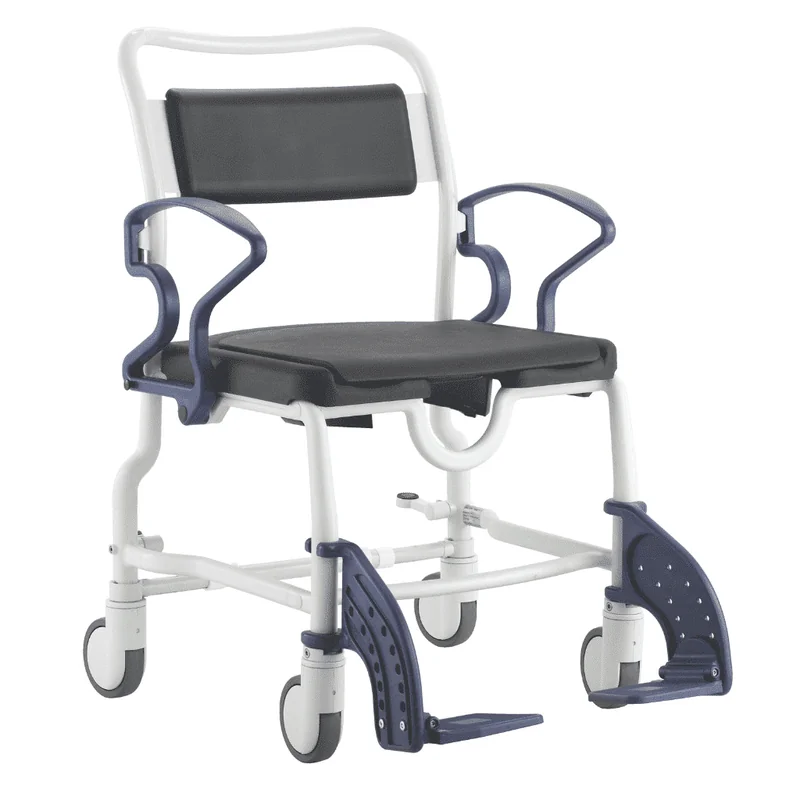
Augsburg Children’s Shower Commode Chair
Children’s shower commode chair · Max. load 80 kg (176 lb) · Seat 420 × 350 mm (16.5 × 13.8 in)
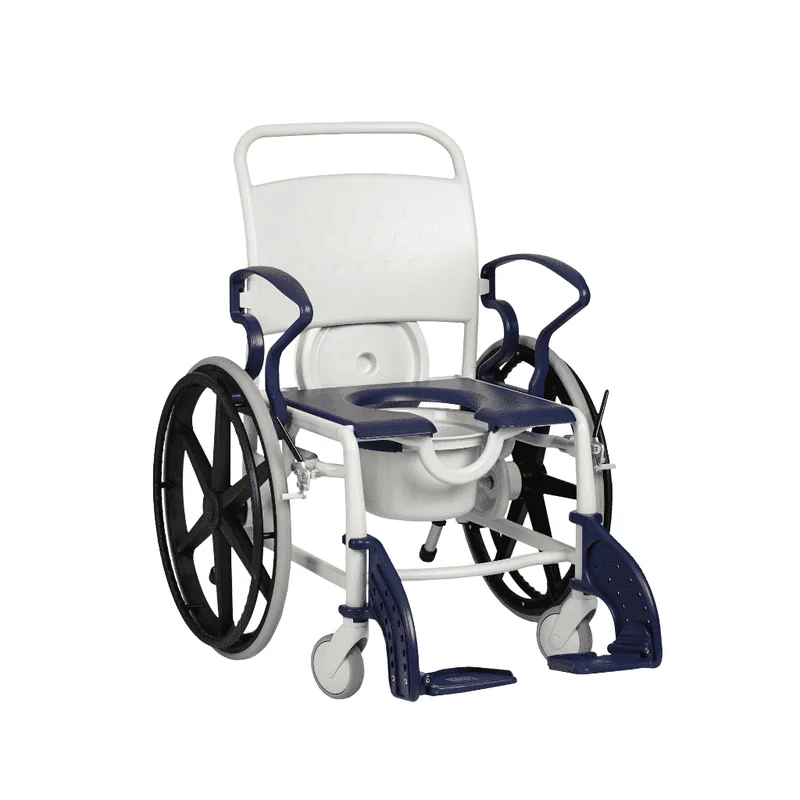
Miami Self-Propelling Shower Commode Chair
Self-propelled shower commode chair · Max. load 150 kg (330 lb) · 24 in (600 mm) rear wheels
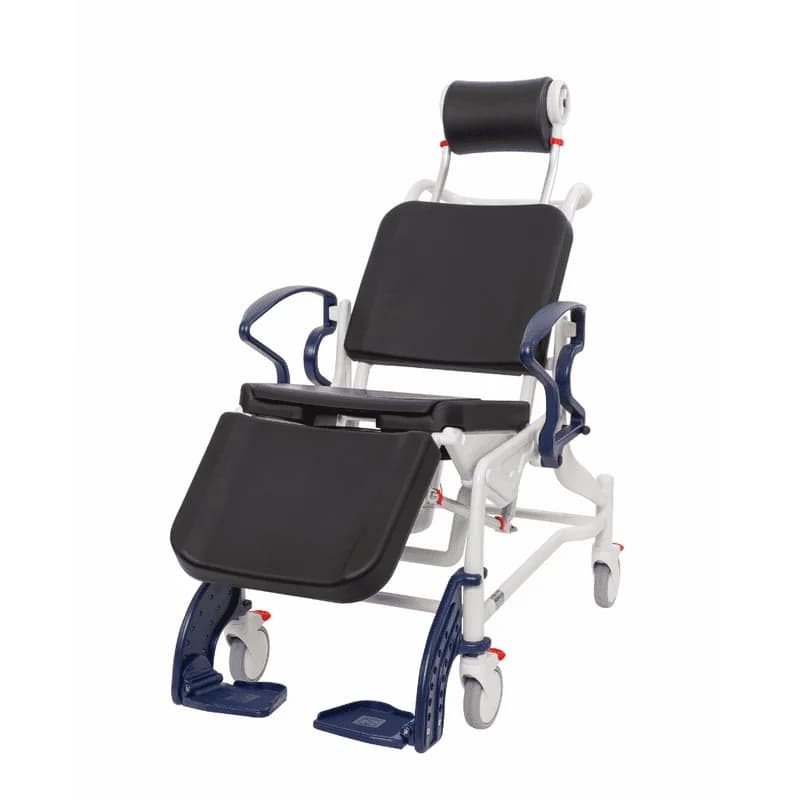
Rebotec Phoenix Commode Chair
Tilting shower commode chair · Max. load 150 kg (330 lb) · Backrest tilts up to 37°
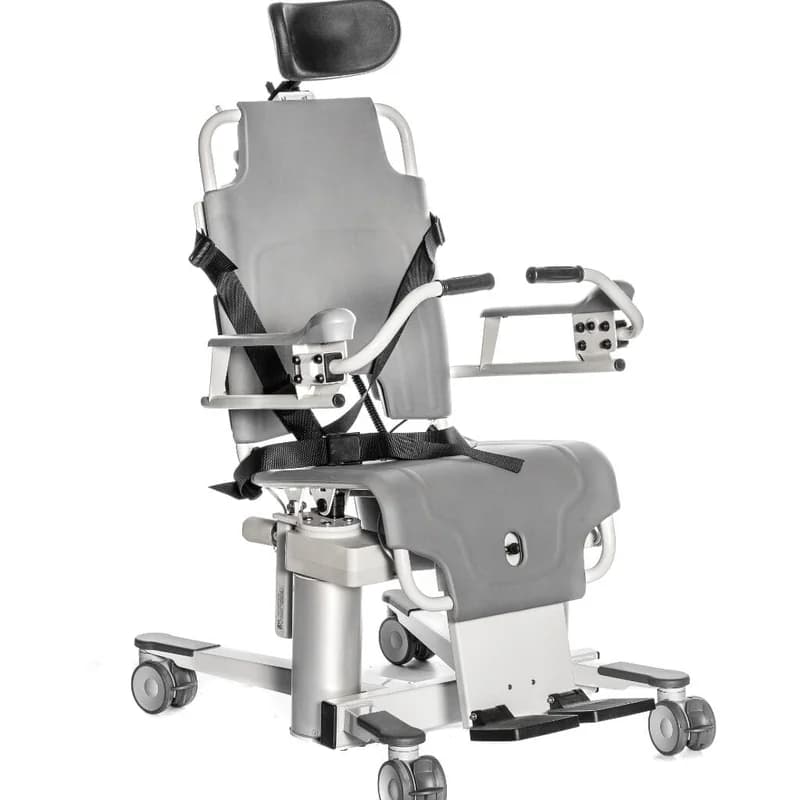
TR 1000 Shower Chair
Electric shower chair · Max. load 200 kg (440 lb) · Seat height 535 to 935 mm (21.1 to 36.8 in)
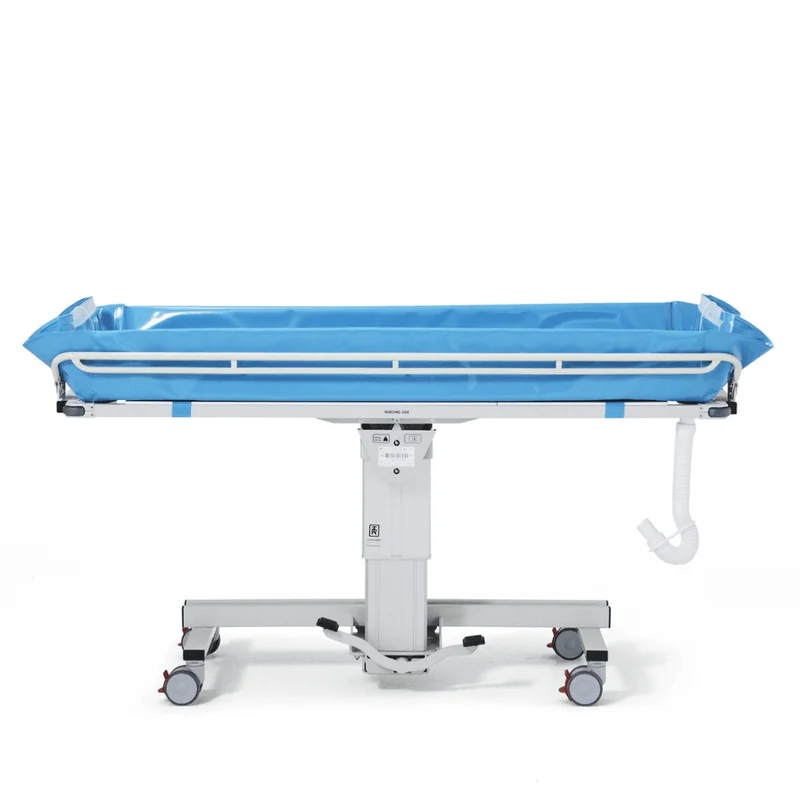
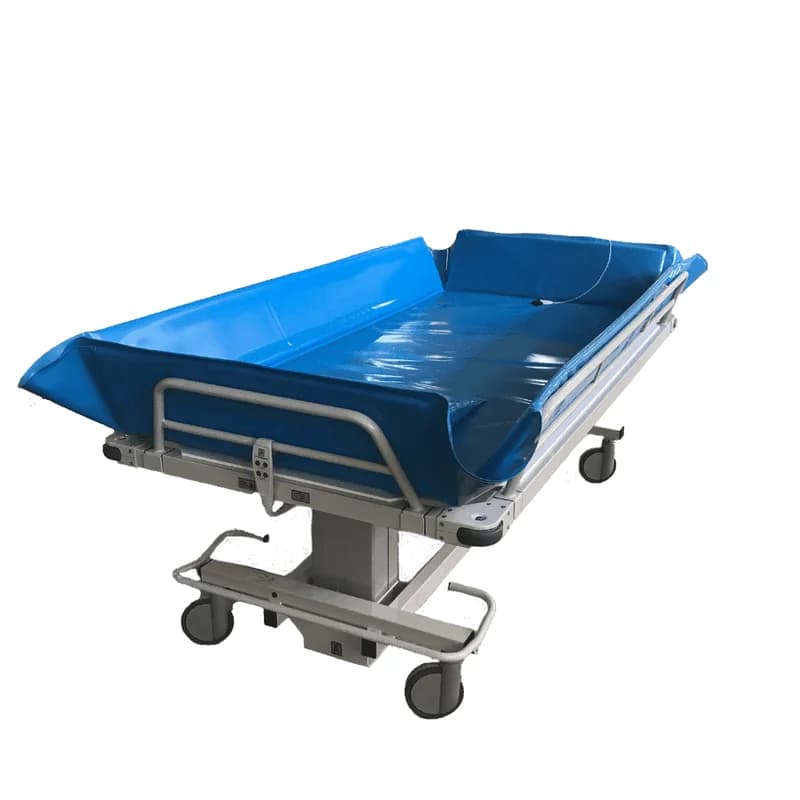
TR 2000 Mod 21 Hydraulic Shower Trolley
Hydraulic shower trolley · Max. load 200 kg (440 lb) · 1,600 to 2,100 mm (63 to 82.7 in) long
TR 4000 Bariatric Shower Trolley
Bariatric shower trolley · Max. load 450 kg (992 lb), patient and water · Patient area 1,980 × 780 mm (78 × 30.7 in)
Compare the shower and commode chairs
Maximum loads and dimensions from the Rebotec and TR Equipment user manuals.
| Dallas Bariatric Commode Chair | Miami Self-Propelling Shower Commode Chair | Rebotec Phoenix Commode Chair | Augsburg Children’s Shower Commode Chair | TR 1000 Shower Chair | |
|---|---|---|---|---|---|
| Type | Bariatric commode chair | Self-propelled shower commode chair | Tilting shower commode chair | Children’s shower commode chair | Electric shower chair |
| Maximum load | 200 kg (440 lb) | 150 kg (330 lb) | 150 kg (330 lb) | 80 kg (176 lb) | 200 kg (440 lb) |
| Seat height | 560 mm (22 in) | 520 to 550 mm (20.5 to 21.7 in), by configuration | 570 mm (22.4 in), lowest position | 510 to 560 mm (20.1 to 22 in), by castor size | 535 to 935 mm (21.1 to 36.8 in) |
| Height adjustment | Fixed seat; footrests in 7 positions | Set by configuration | Fixed, or up to 400 mm (15.7 in) by foot pedal or hand control | Set by castor size | Electric, 400 mm (15.7 in) |
| Wheels | 4 swivel castors of 125 mm (5 in), rear brakes | 600 mm (24 in) rear wheels with push rims, 125 mm (5 in) front castors | 4 braked swivel castors of 125 mm (5 in) | Castors of 75, 100 or 125 mm (3, 4 or 5 in) | 4 braked twin castors of 100 mm (4 in) |
| Chair weight | 25.3 kg (55.8 lb) | 24.4 kg (53.8 lb) | 29.3 to 53.6 kg (64.6 to 118.2 lb), by version | 16.4 to 17.2 kg (36.2 to 37.9 lb), by castor size | 75 kg (165 lb) |
Not sure which equipment fits your unit?
Tell us the care task (shower, toileting or transfer), the maximum weight of the people who will use it and the space in your bathing room. We suggest the models that fit and prepare your quote.
Questions about hygiene and transfer equipment
What is a shower trolley?
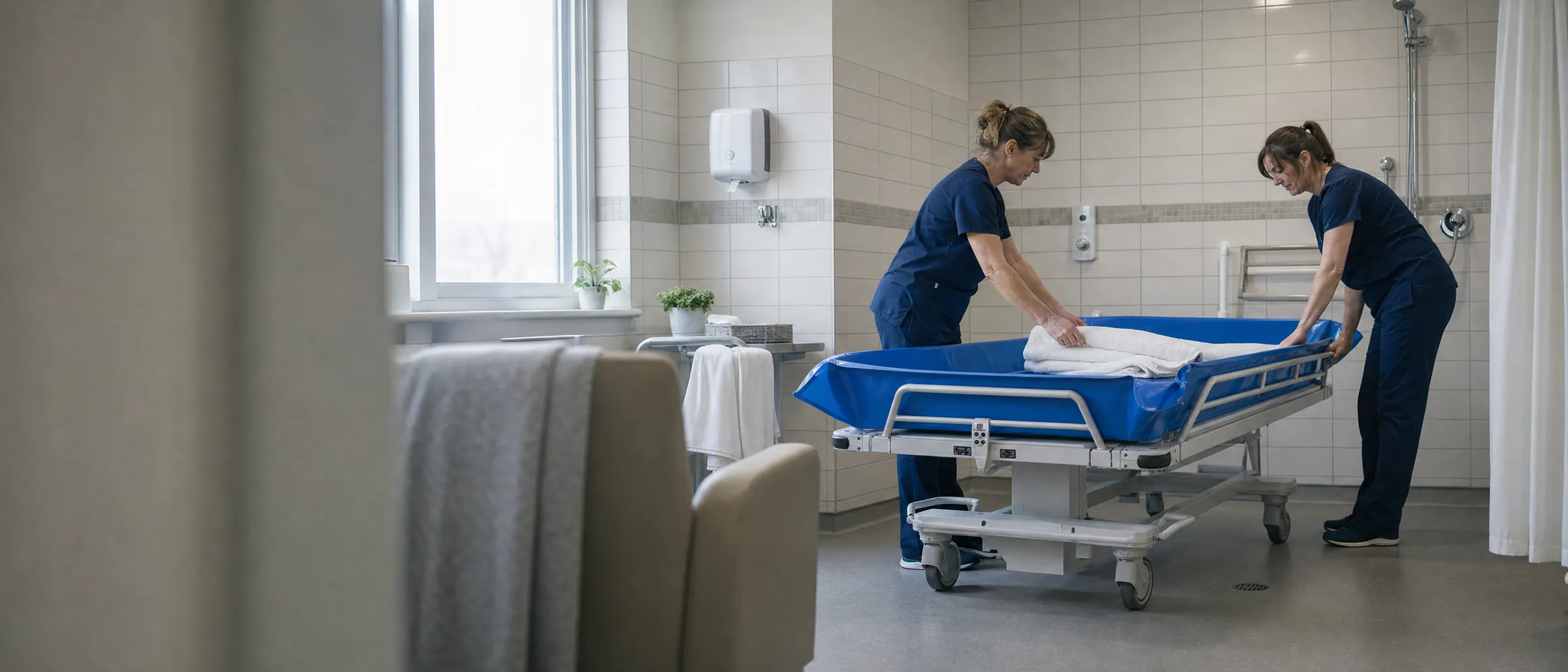
A shower trolley is a stretcher with a waterproof mattress on which a person is washed lying down, with a drain for the water. The TR 2000 Mod 21 is raised by a foot pump; the bariatric TR 4000 takes up to 450 kg (992 lb), patient and water included. When a transfer onto a trolley is not possible, the Wishower brings the shower to the bed.
What is a shower commode used for?
A shower commode chair takes a seated person to the shower and, depending on the model, over a standard toilet. It has a seat with a hygiene opening and a bucket, on castors. The chairs on this page take from 80 kg (176 lb), for the children’s Augsburg, to 200 kg (440 lb), for the bariatric Dallas and the TR 1000.
Related equipment
Request a quote for hygiene and transfer equipment
Tell us the equipment you need, the maximum weight of the users and how many units you need.
- A reply within two business daysA representative contacts you to understand your unit, your equipment needs and your timeline.
- Equipment that fits your unitWe suggest models for your space, your care team and your purchasing process.
- Documents for your purchasing teamSpecifications and the documentation your purchasing committee or tender requires.
- Your first contact after deliveryFor service and questions, you reach the same team.