Nunavut spends between 18 and 20% of its entire health department budget moving patients, not treating them (Young et al., Patient transportation in Canada’s northern territories, Rural and Remote Health, 2019). That single number explains why equipment decisions in the North follow different rules than they do in Toronto or Montreal.
This article covers what makes northern procurement different, which equipment categories deliver the most value per flight, and how suppliers and facility managers can work within the funding and procurement channels that actually govern the territory.
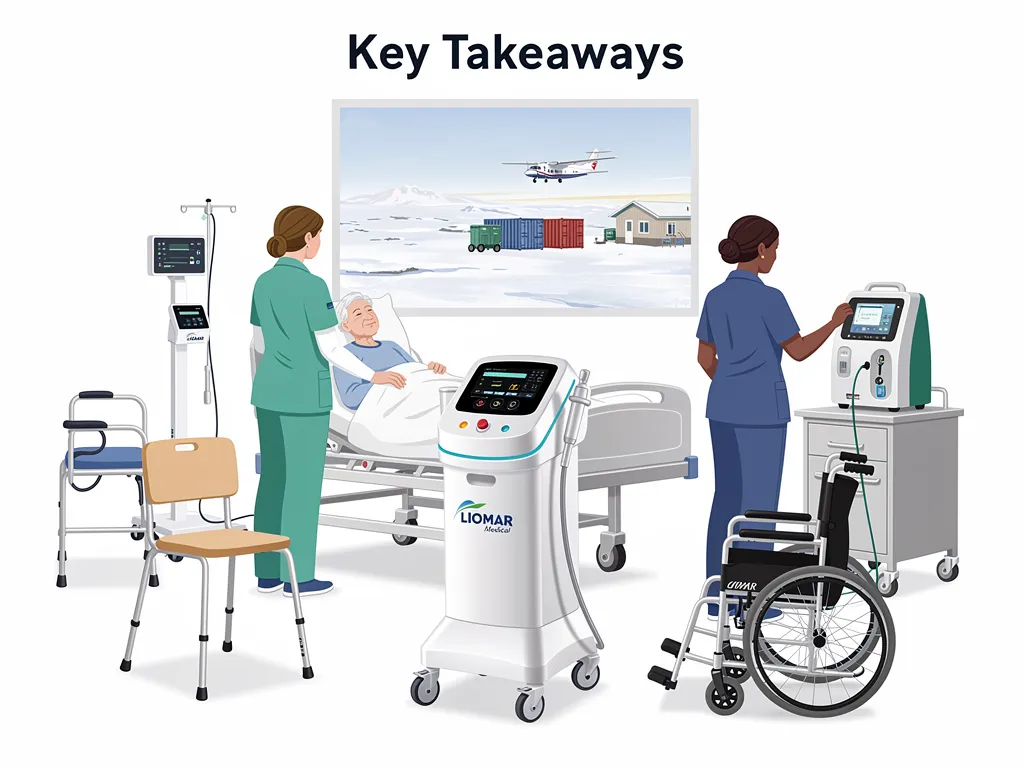
Key Takeaways
Medevac rates in Nunavut reach 53 trips per 1,000 residents each year, versus 0.9 in Yukon (Rural and Remote Health, 2019).
Equipment that keeps care in the community reduces the single largest cost line in northern health budgets.
Freight, service access, and parts availability matter more than sticker price above the tree line.
Ottawa committed over $35.6 million to Nunavut through two bilateral health agreements signed in March 2024 (Health Canada, 2024).
The NNI policy governs how the Government of Nunavut awards contracts, and registration is a prerequisite, not a formality.
Why Is Medical Equipment Procurement Different in Northern Canada?
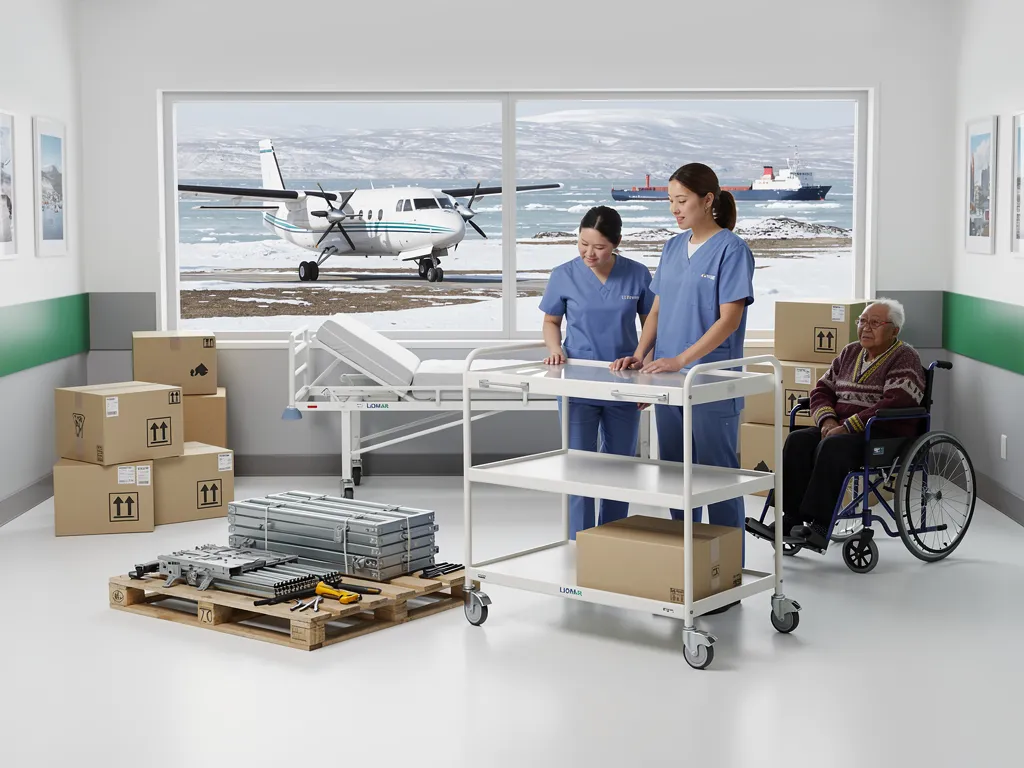
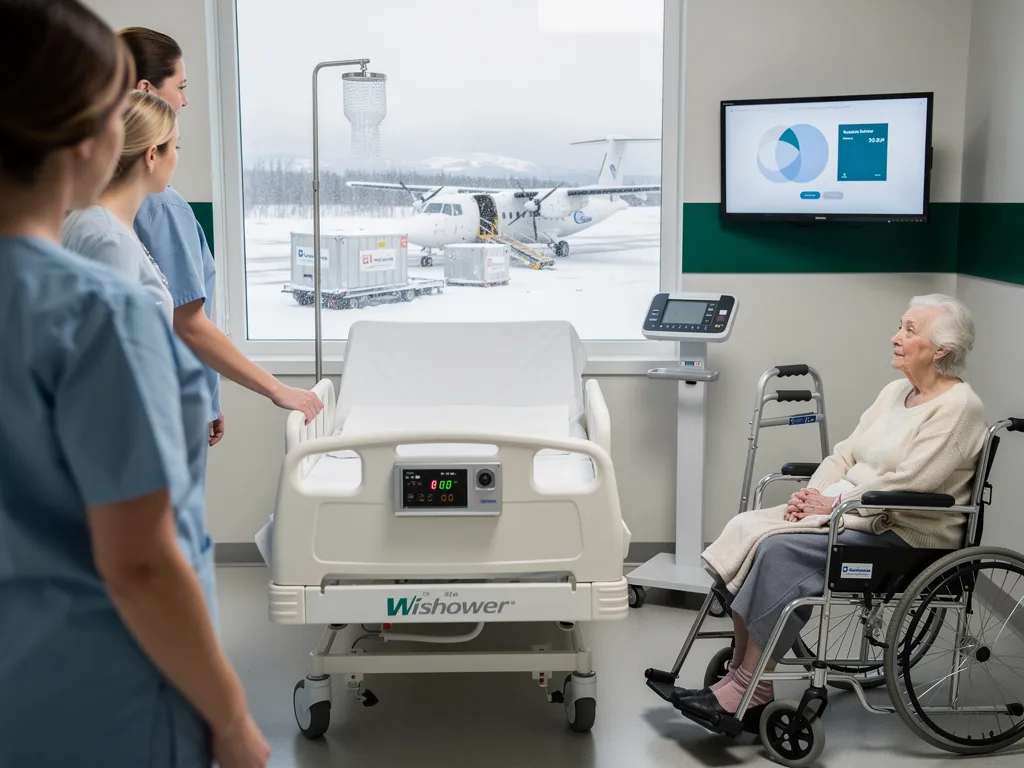
Nunavut’s 25 communities are served by 22 community health centres, two regional health centres in Rankin Inlet and Cambridge Bay, and a single 35-bed hospital in Iqaluit (Government of Nunavut, Health Care Service Delivery). No roads connect these communities. Every piece of equipment arrives by air or by summer sealift.
That logistics reality changes the arithmetic. A cart that ships flat-packed and assembles on site costs less to land in Pond Inlet than a pre-assembled unit of identical price. A device that needs an annual visit from a factory technician carries a hidden cost the quote never shows.
What we see in the field: Southern procurement compares unit prices. Northern procurement has to compare landed cost plus five years of service access. Two devices at the same list price can differ by thousands of dollars once air freight, technician travel, and downtime enter the calculation.
Facility managers in remote regions consistently raise the same three questions before signing: How does it ship? Who services it? Can our staff be trained without leaving the community? Any supplier who cannot answer all three is quoting on the wrong problem.
For a broader look at how equipment choices affect frontline staff, see our article on how advanced medical equipment boosts healthcare workforce productivity.
How Much Does Patient Transportation Actually Cost the North?
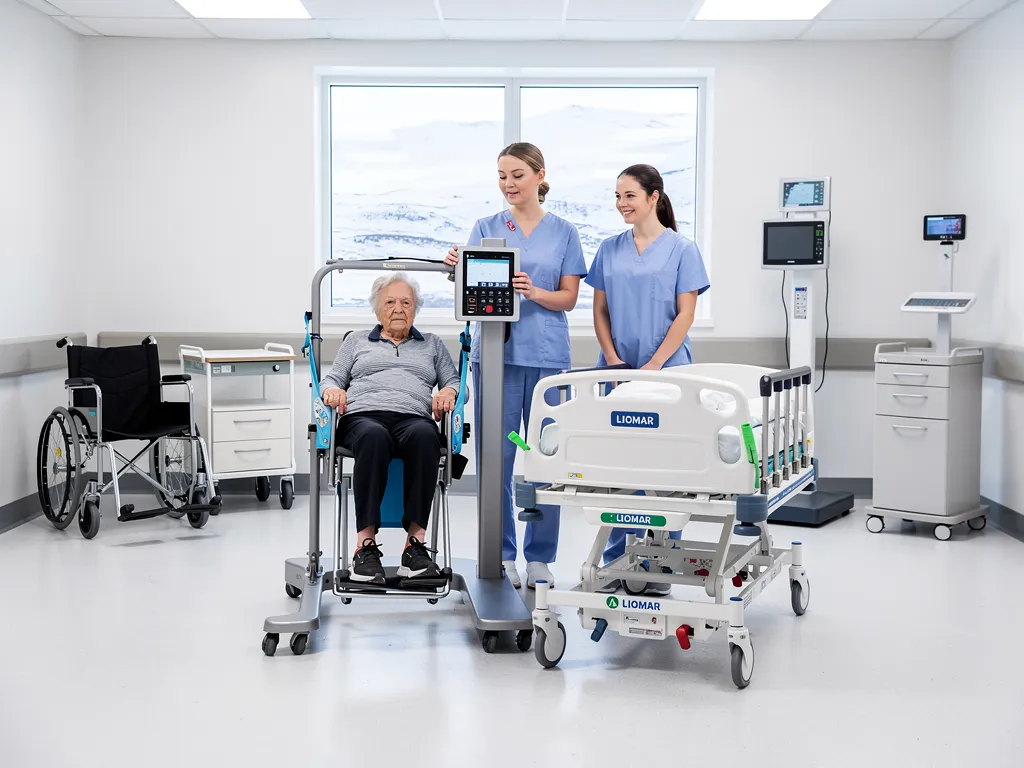
In 2019, researchers documented medevac rates of 53 trips per 1,000 residents per year in Nunavut, compared with 32 in the Northwest Territories and 0.9 in Yukon (Young, Tabish, Young and Akearok, Rural and Remote Health, 2019). Nunavut’s annual medevac bill reached $24.8 million, or roughly $700 per resident per year.
The average aeromedical evacuation cost $18,122 in 2017-2018. Medevacs alone account for roughly 35% of Nunavut’s total medical travel spending, which means the other 65% comes from scheduled trips: appointments, follow-ups, and procedures that could sometimes happen closer to home.
Every intervention delivered in the community rather than in Ottawa or Winnipeg removes a flight, a hotel night, and an escort from that budget. Isn’t that the clearest possible business case for investing in local capacity?
Which Equipment Categories Deliver the Most Value Per Flight?
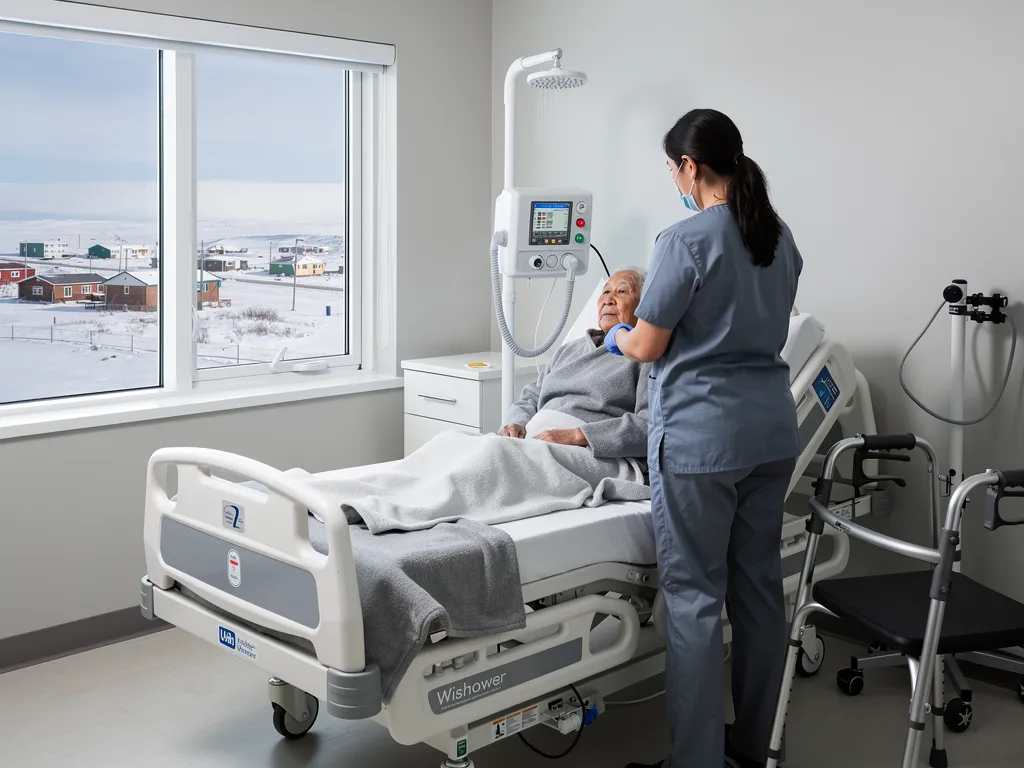
Equipment that prevents a transfer, prevents an infection, or prevents an injury pays for itself fastest in fly-in settings. Nunavut has no secure ward for high-needs dementia patients anywhere in the territory, and more than 70 Inuit elders were living in a single Ottawa care home as of October 2025, at a reported cost of roughly $17 million per year (The Globe and Mail, 2025).
Four categories consistently earn their freight cost:
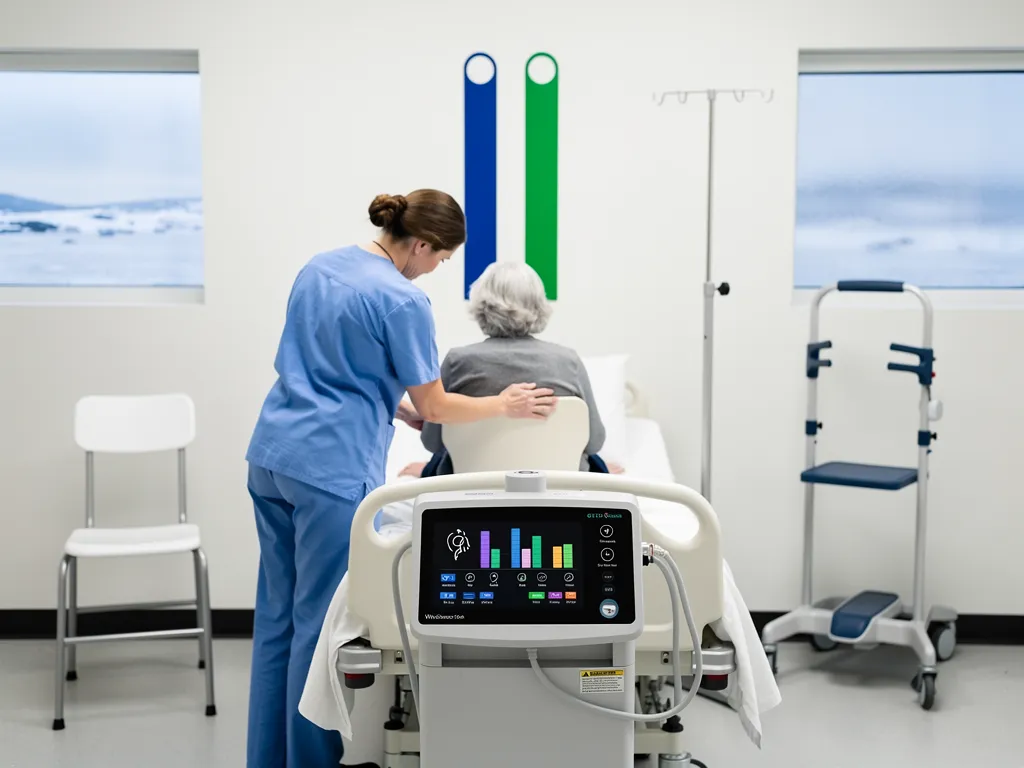
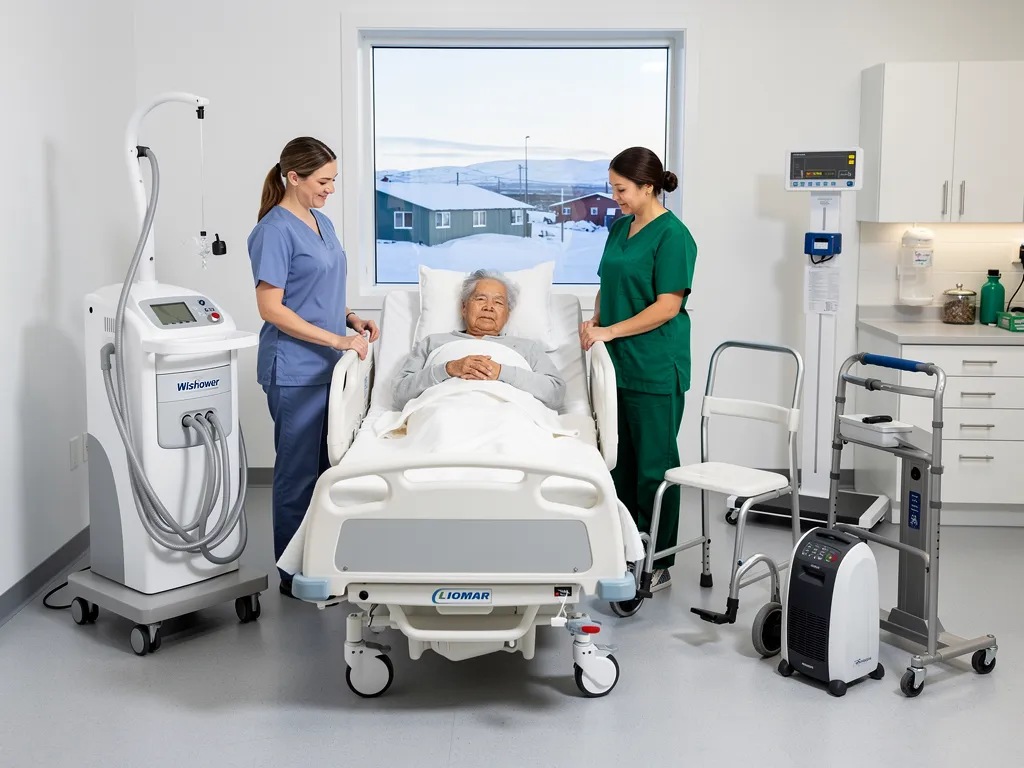
In-bed hygiene systems. Full-body bathing without transferring the patient removes the fall risk, the two-person lift, and the trip to a shared bathroom that many northern facilities simply do not have. The Wishower in-bed shower system was designed and manufactured in Montreal for exactly this constraint.
Precision weighing. Accurate weight drives dosing, fluid management, and nutrition monitoring. When the nearest specialist is a flight away, measurement accuracy at the bedside carries more clinical weight. Our professional healthcare scales include neonatal models with 1-gram resolution.
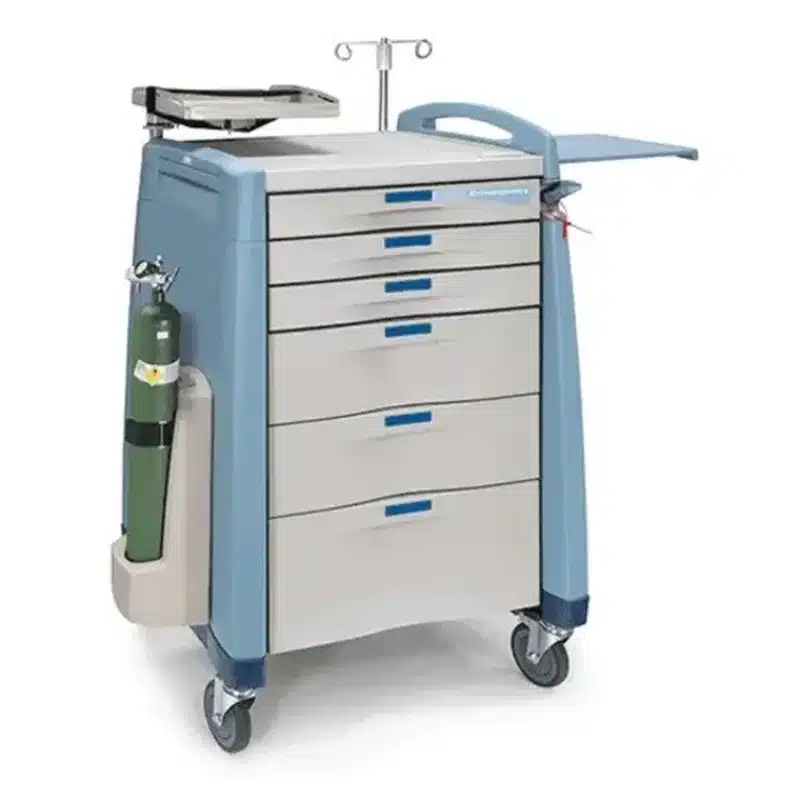
Medication and crash carts. Standardized, lockable carts support narcotic control and code response in facilities where staffing rotates frequently. See our Avalo medication carts for configurations used across Canadian hospitals and long-term care homes, and our analysis of crash cart standardization in rural Canadian hospitals.
Oxygen concentrators. Concentrators generate oxygen on site, which removes the recurring cost and logistical fragility of shipping cylinders to a community with one weekly flight. Our Nidek range covers the Nuvo Lite 5 for standard therapy, the Nuvo 10 for high-flow needs, and the portable Nuvo Nano for patients in transit.
According to Health Canada, the Canada-Nunavut Working Together agreement earmarked funding for specialized equipment including a CT scanner, a portable MRI, and a C-Arm (Health Canada, Government of Canada signs two bilateral agreements with Nunavut, March 2024). Diagnostic imaging gets the headlines. The daily-care equipment underneath it rarely does, and that’s where most transfer volume originates.
What Funding Is Available for Northern Health Facilities in 2026?
In March 2024, the federal government signed two bilateral agreements with Nunavut worth more than $35.6 million combined (Health Canada, 2024). Both remain the primary funding envelopes shaping equipment purchases in the territory today.
The Working Together agreement provides $23.6 million over three years toward primary care access, health worker recruitment and retention, mental health services, and specialized equipment. The Aging with Dignity agreement provides $12 million over five years toward home and community care expansion, long-term care facility standards, personal support worker training, and virtual care in long-term care settings.
The second envelope matters most for daily-care equipment. Nunavut has committed to expediting new elder-care construction, including a 24-bed continuing care home in Rankin Inlet, with the explicit goal of bringing elders home from southern facilities. New beds need bathing systems, lifts, scales, and carts on day one.
Facilities planning against these envelopes should align equipment requests with the named priorities in the agreements. Requests framed as “aging in place” or “reducing out-of-territory placements” map directly onto stated objectives.
How Do Suppliers Reach Northern Institutional Buyers?
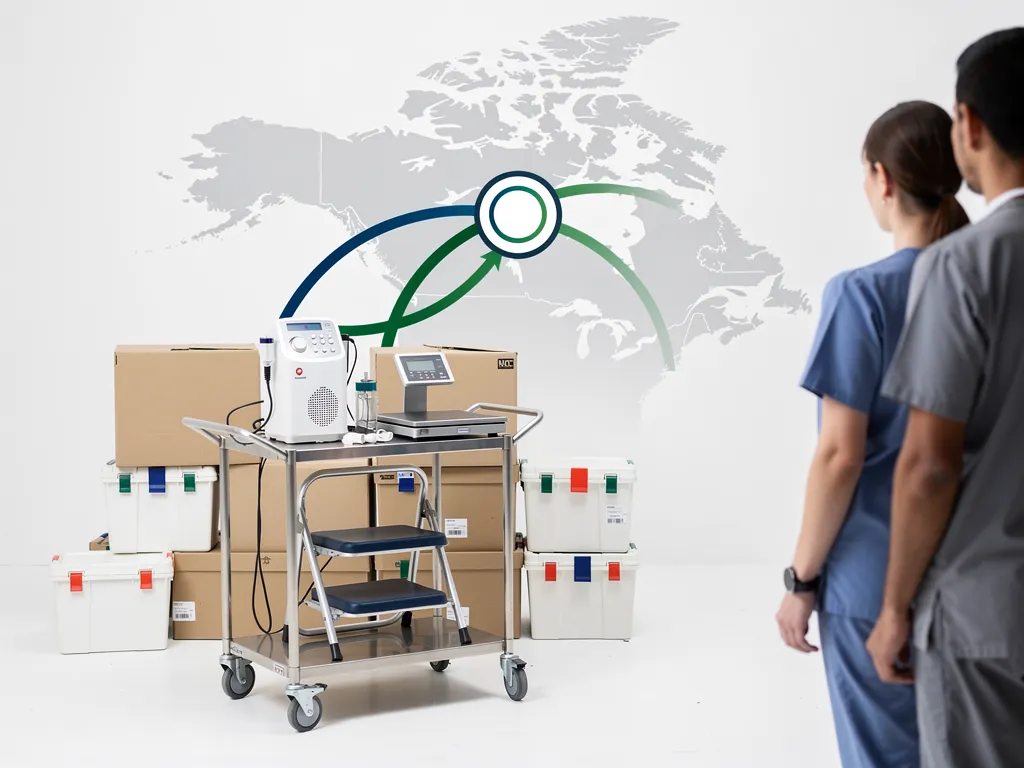
Selling equipment into Nunavut runs through defined channels, not cold outreach. The Nunavummi Nangminiqaqtunik Ikajuuti (NNI) policy, in force since April 1, 2017 under Nu Reg 007-2017, governs how the Government of Nunavut awards contracts. It applies bid adjustments favouring registered Nunavut businesses and Inuit firms, in keeping with Article 24 of the Nunavut Land Claims Agreement.
Registration with the NNI Secretariat is the entry point. Suppliers that skip it are structurally disadvantaged on every territorial tender, regardless of product quality.
Beyond the territory, group purchasing organizations shape hospital and long-term care buying across the country. Mohawk MedBuy aggregates purchasing for a large network of Canadian hospitals, and HealthPRO Canada connects manufacturers to more than 2,000 health facilities nationwide.
From our side of the table: LIOMAR Medical joined the HealthPRO Canada Innovation Accelerator program to shorten exactly this path. Manufacturing the Wishower in Montreal means replacement parts ship domestically, without a customs delay stranding a device in a community for weeks.
Canadian manufacturing is not a marketing line above the 60th parallel. It’s a service-response variable. When a component fails in Gjoa Haven in February, the question is whether the replacement leaves Montreal on Tuesday or clears a border first.
What Should Facility Managers Ask Before Buying?
Procurement teams in remote regions get better outcomes when they push five questions before the purchase order, not after. Each maps to a cost that surfaces later.
What is the landed cost? Ask for a quote including air freight to the specific community, not to Iqaluit or to a southern depot.
What is the service model? Confirm whether repairs happen on site, by parts shipment, or by returning the unit south.
Can staff be trained remotely? Virtual training preserves the training budget and works around rotating staff.
What consumables does it need, and can they arrive by sealift? Annual bulk shipping by sea costs a fraction of air freight.
Does it reduce transfers? Quantify how many patient movements the device avoids per year, then price those against the medevac and medical travel figures above.
That fifth question reframes the entire conversation. A device priced at $18,000 that prevents two medevacs a year has effectively paid for itself in twelve months, based on the $18,122 average evacuation cost documented in the Rural and Remote Health study.
Ready to Equip Care Closer to Home?
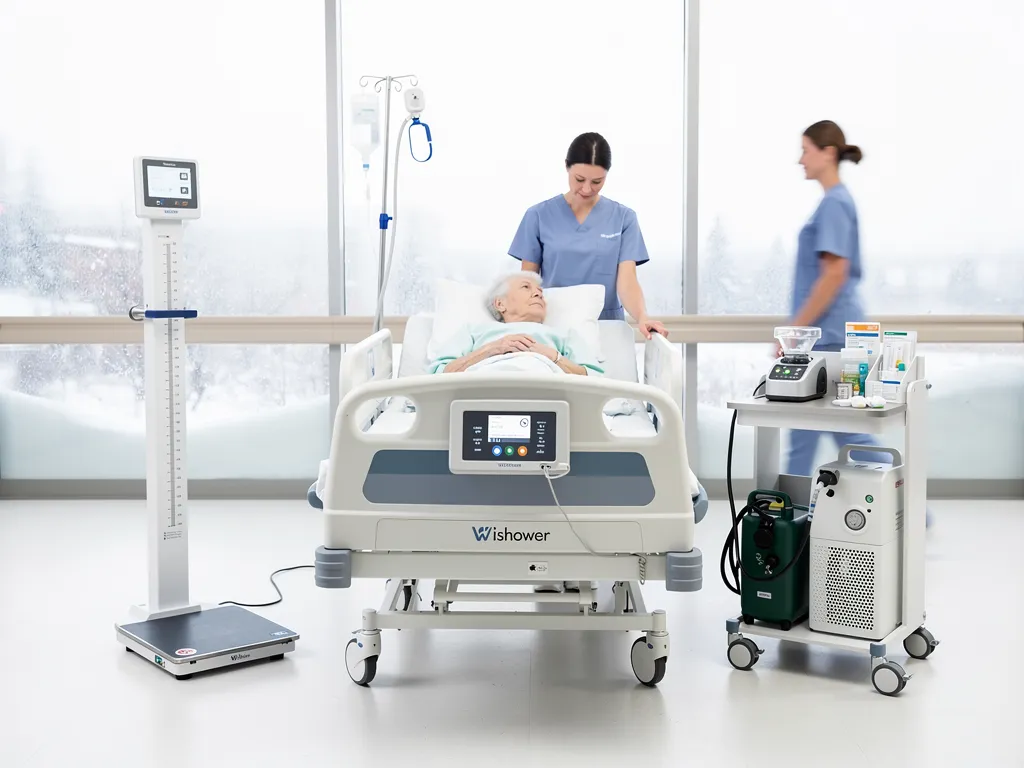
LIOMAR Medical designs and distributes equipment built for the constraints northern facilities actually face: in-bed hygiene without transfers, precision weighing at the bedside, secure medication handling, and on-site oxygen generation.
Book a free virtual demo and we’ll walk through landed cost, service coverage, and training for your specific community.
Frequently Asked Questions
How much does Nunavut spend on medical travel each year?
Medical travel represents 18 to 20% of Nunavut’s health department budget, with medevacs alone reaching $24.8 million annually, or about $700 per resident per year (Rural and Remote Health, 2019). Medevacs account for roughly 35% of total medical travel costs; scheduled appointments make up the rest.
What medical equipment works best in fly-in communities?
Equipment that prevents patient transfers, resists shipping damage, and can be serviced without a technician visit performs best. In-bed bathing systems, precision scales, standardized medication carts, and oxygen concentrators are common priorities because each reduces either transport volume or recurring supply flights.
How do I sell medical equipment to the Government of Nunavut?
Register with the NNI Secretariat first. The Nunavummi Nangminiqaqtunik Ikajuuti policy, in force since April 2017, applies bid adjustments favouring registered Nunavut businesses and Inuit firms on territorial contracts, under Article 24 of the Nunavut Land Claims Agreement.
Why are Nunavut elders sent to southern long-term care homes?
Nunavut lacks sufficient continuing care beds and has no secure dementia ward in the territory. As of October 2025, more than 70 Inuit elders were living in a single Ottawa care home at a reported cost near $17 million per year (The Globe and Mail, 2025). A 24-bed continuing care home in Rankin Inlet is intended to bring elders closer to home.
What federal funding supports equipment purchases in Nunavut?
Two bilateral agreements signed in March 2024 total more than $35.6 million (Health Canada, 2024). Working Together provides $23.6 million over three years, covering specialized equipment such as a CT scanner and portable MRI. Aging with Dignity adds $12 million over five years for home care, long-term care standards, and virtual care.
The Bottom Line
Northern health facilities are not buying smaller versions of southern equipment. They’re buying against a different cost structure, where a flight avoided is worth more than a discount negotiated.
Medical travel consumes up to a fifth of Nunavut’s health budget, so any device that keeps care local competes against a very large number.
Landed cost and service access outrank list price in every serious northern evaluation.
Federal funding is committed and named; aligning requests with agreement priorities improves approval odds.
Territorial procurement runs through NNI registration, and national reach runs through group purchasing organizations.
Facilities weighing their next capital cycle should start with the transfers they want to eliminate, then work backward to the equipment list. See our guide to in-bed showers versus sponge baths for bedridden patients for a closer look at one of those trade-offs.
About the Author
Mario P. Cloutier is co-founder and CEO of LIOMAR Medical Inc., a Montreal-based manufacturer and distributor of medical equipment for bedridden patients, long-term care residents, and people with reduced mobility. He founded the life sciences sales and marketing agency Xclamat!on in 2002 and has worked with Fortune 500 organizations across the healthcare sector. LIOMAR Medical is a member of the HealthPRO Canada Innovation Accelerator program, which connects manufacturers to more than 2,000 Canadian health facilities.
Sources
Young TK, Tabish T, Young SK, Akearok GH. Patient transportation in Canada’s northern territories: patterns, costs and providers’ perspectives. Rural and Remote Health, vol. 19, no. 2, 25 May 2019. Retrieved 2026-08-05. rrh.org.au/journal/article/5113
Health Canada. Government of Canada signs two bilateral agreements with Nunavut for better health care, closer to home. 5 March 2024. Retrieved 2026-08-05. canada.ca 1 bilateral agreements with Nunavut
Government of Nunavut. Health Care Service Delivery. Retrieved 2026-08-05. gov.nu.ca 1 Health Care Service Delivery
Government of Nunavut. Qikiqtani General Hospital. Retrieved 2026-08-05. gov.nu.ca 1 Qikiqtani General Hospital
The Globe and Mail. How elders from Nunavut end up in long-term care thousands of kilometres from home. Retrieved 2026-08-05. theglobeandmail.com 1 elders from Nunavut
Government of Nunavut. Nunavummi Nangminiqaqtunik Ikajuuti Regulations, Nu Reg 007-2017. CanLII. Retrieved 2026-08-05. canlii.org 1 Nu Reg 007-2017
Nunavummi Nangminiqaqtunik Ikajuuti Secretariat. Business Registration. Retrieved 2026-08-05. nni.gov.nu.ca/regmain