By Mario P. Cloutier, Founder, General Manager, LIOMAR Medical
About the Author
Mario P. Cloutier is a seasoned executive and entrepreneur with over 25 years of leadership in the health sciences and medical device industries.
As Founder,General Manager of LIOMAR Medical Inc., Mario’s career is defined by a mission to improve the lives of vulnerable, immobile, and wheelchair-bound patients through innovative product design and distribution.
Having worked alongside Fortune 500 organizations and founded Xclamat!on, an award-winning sales and marketing agency specializing in life sciences, Mario brings deep operational and clinical insight to every solution LIOMAR Medical brings to market.
His hands-on experience across North American and international healthcare channels, spanning hospitals, long-term care facilities, and rehabilitation centers, makes him a trusted voice on the equipment, workflows, and innovations that help Canadian care teams perform at their best every day.
Overview of Challenges Facing Canada's Healthcare Workforce
Canadian healthcare facilities are under more pressure than they have ever been. Staffing shortages are widening, patient acuity is rising, and care teams are being asked to do more with less.
According to the Canadian Institute for Health Information (CIHI, 2024), 5.7 million Canadian adults did not have a regular health care provider in 2024. At the same time, Statistics Canada (2025) reports that vacancies in health-related occupations represented 15% of all job vacancies in Canada in 2024, totalling 86,540 unfilled positions.
Facilities cannot simply hire their way out of this crisis.
The healthcare workforce needs tools that multiply its capacity, reducing time spent on manual tasks, preventing errors before they happen, and protecting staff from the physical toll of daily patient handling.
That is exactly what the right medical supplies and healthcare equipment are designed to do.
This article breaks down how advanced devices support staff performance in Canadian hospitals, long-term care facilities, and rehabilitation centers, which healthcare tools deliver the greatest impact, and what technology trends are reshaping care delivery heading into 2026.
Key Takeaways
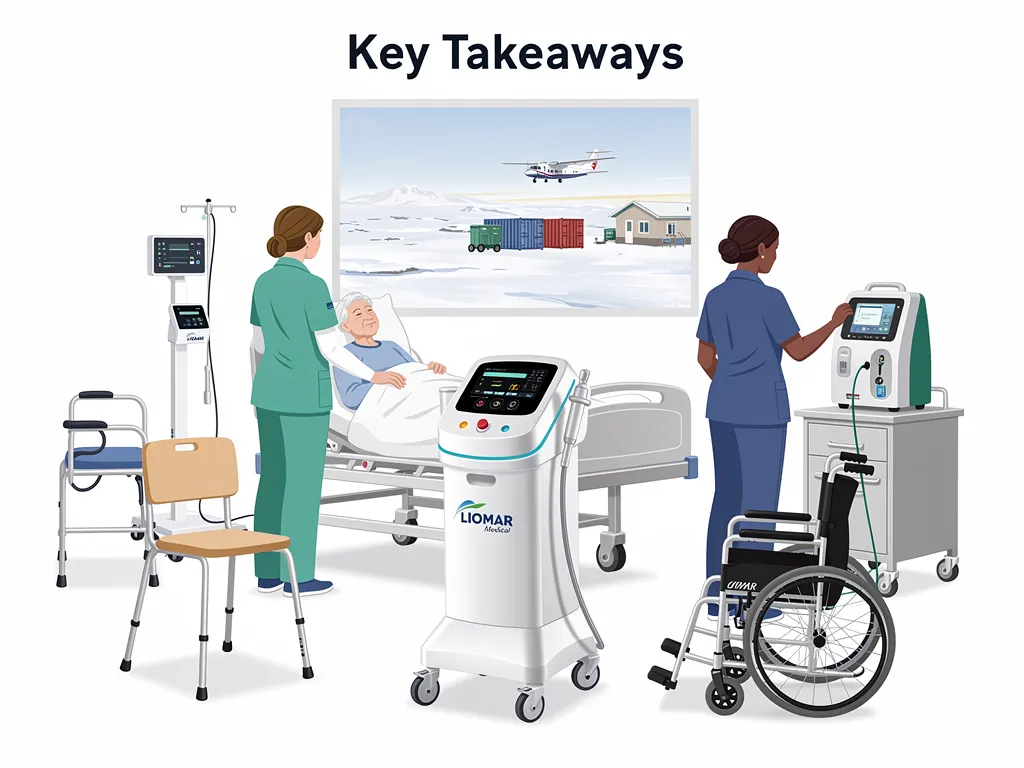
- Canada had 86,540 unfilled health-related positions in 2024. The right healthcare equipment helps existing teams close that gap.
- Automated medication systems cut dispensing errors and strengthen pharmacy oversight.
- Medical carts, continuous monitoring, and mobility aids are core healthcare tools that streamline daily care tasks.
- Scheduled maintenance and safety checks keep equipment reliable and minimize unexpected downtime.
- AI, IoT, and telehealth are accelerating efficiency and reshaping clinical workflows.
- Specialized devices, from anesthesia carts to isolation carts, address specific clinical needs and raise care quality across settings.
- Targeted training is essential to unlock the full benefits of advanced equipment.
- Monitoring performance with metrics and staff feedback guides smarter equipment investments.
- Emerging 2026 technologies will expand remote monitoring, predictive analytics, and virtual care capabilities.
What Are the Key Benefits of Advanced Medical Equipment in Healthcare?
When a care team is stretched thin, every minute counts. Advanced healthcare equipment improves how the healthcare workforce operates by cutting repetitive tasks, speeding access to clinical data, and reducing the margin for human error.
The downstream effects are significant. Clinicians freed from administrative burden spend more time at the bedside. Care teams with reliable, integrated devices coordinate better across shifts.
Facilities that invest strategically in the right medical supplies and devices also see measurable gains in revenue cycle optimization.
Fewer errors mean shorter stays, fewer complications, and better throughput, all of which contribute directly to financial performance.
The equation is straightforward: better tools produce better outcomes, for patients and for the bottom line.
How Does Medical Equipment Improve Clinical Efficiency and Accuracy?
Healthcare equipment improves efficiency by automating routine work and delivering precise, timely data at the point of care.
Continuous monitoring gives immediate vital-sign trends so clinicians can act earlier when a patient deteriorates, without waiting for a manual check.
Automation also reduces manual charting and transcription errors.
When devices feed directly into electronic health records software, teams gain a single, up-to-date view of patient status, helping clinicians make faster, better-informed decisions and coordinate care more effectively across departments and shifts.
The administrative burden on Canadian healthcare workers is well documented.
Research cited by Health Canada (2025) found that Ontario physicians spend up to 40% of their time on paperwork rather than patient care.
Equipment and software that reduce this burden are not optional.
They are strategic necessities for any facility serious about workforce retention and patient outcomes.
In What Ways Does Equipment Enhance Patient Safety and Care Quality?
Quality healthcare equipment plays a direct role in patient safety.
Automated dispensers and bar-coded medication systems reduce dosing mistakes, while sterilization and hygiene tools lower infection risk across the care environment.
The scale of the medication error problem is significant. According to the World Health Organization’s Global Burden of Preventable Medication-Related Harm report (2024), medication-related harm occurs in approximately 1 in 20 patients globally, and roughly 1.3 million people experience medication-related harm each year.
StatPearls (2024) reports that nearly 20% of doses administered in hospital settings are associated with some form of error, and the financial impact reaches an estimated $38 to $50 billion annually in extra healthcare costs, disability, and lost productivity.
Facilities that invest in modern medical supplies and devices consistently report fewer hospital-acquired infections and medication incidents.
The evidence on automated systems is especially clear.
(This will be in a box by itself)
Automated Medication Systems: Reducing Errors and Enhancing Pharmacy Control
Immediate access to medications can reduce medication-dispensing errors. These systems also enable tighter control of in-facility medication stock by the pharmacy department.
________
Which Types of Healthcare Tools Support Optimal Workforce Performance?
Not all equipment delivers equal value.
The healthcare tools that consistently move the needle on workforce productivity share one trait: they remove friction from the most time-consuming and physically demanding parts of the care day.
Key examples include:
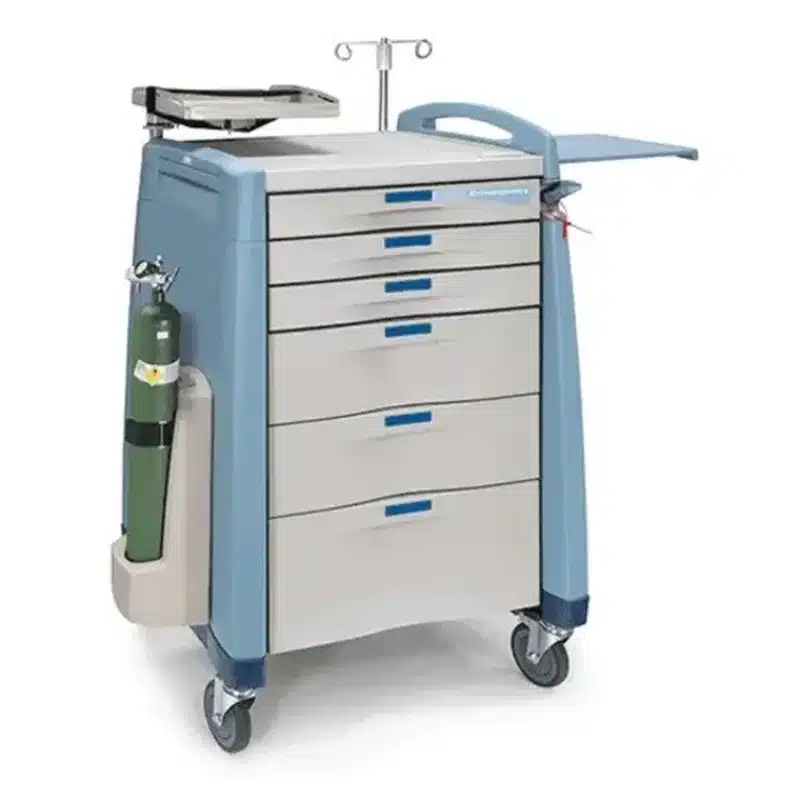
- Networked Medical Carts: Also referenced as Smart Medical Carts, these can range from the basic med supplies carts to the fully stocked patient-to-patient medication carts tracking real time meds distribution, to mobile workstations recording all patient’s interventions, speeding documentation and care delivery. This generation of medical supply carts and medical trolley carts are what the most performing hospitals, and long-term care facilities alike, now aim for.
- Patient Monitoring Systems: Continuous monitoring delivers real-time insights that enable earlier intervention and fewer surprises. Medical alert devices integrated into monitoring workflows add an additional safety layer for high-risk patients.
- Respiratory Equipment: Devices such as oxygen concentrators support patients with compromised breathing, giving clinical teams reliable tools for continuous respiratory management without manual intervention.
- Mobility Aids: Lifts and stand-assist devices protect staff and patients during transfers, reducing injury risk and saving significant time across every shift.
When facilities invest in these essentials, they are not just buying equipment. They are buying added safety for their patients and staff and helping their care teams to focus on what matters most.
What Are the Main Categories of Medical Devices Used in Hospitals and Clinics?
Understanding the landscape of medical devices helps procurement teams make smarter, more strategic purchasing decisions.
The main categories include:
- Durable Medical Equipment: Long-term items such as the hospital bed, medical bed, and In-bed shower system used across extended patient stays.
- Diagnostic Tools: Imaging and testing equipment, including MRI and ultrasound, drive accurate diagnoses and inform care pathways.
- Respiratory Equipment: From home medical oxygen units to institutional concentrators, respiratory devices are essential across care settings and patient acuity levels.
- Mobility Aids: Devices that help patients move safely, promoting independence and significantly easing caregiver workload on high-volume units.
- Cart Medical Solutions: From the medication cart with lock for controlled substances to the medical trolley for supply transport, carts are the circulatory system of any care floor, keeping the right supplies in the right place at the right time.
How Do Specialized Tools Address Different Clinical Applications?
The most effective facilities match their equipment precisely to their clinical context. Pediatric healthcare scales serve neonatal units with gram-level precision for breastfeeding measurement and diuresis monitoring.
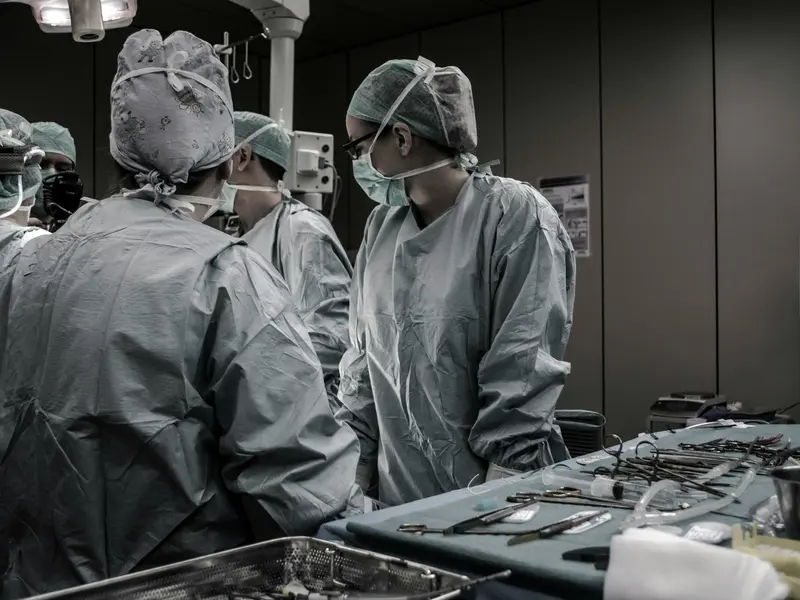
Anesthesia carts give surgical teams immediate, organized access to critical medical supplies at the point of care, where seconds matter. Isolation carts support infection control workflows by keeping PPE and barrier supplies contained and accessible without breaking protocol.
Bariatric patient lifts enable safe transfers for heavier patients while protecting caregivers from the back and shoulder injuries that drive so much of the sector’s absenteeism.
Tailoring equipment to the care context is not a luxury. It is the difference between a device that sits unused in a corner and one that transforms daily workflow.

How Do Innovations in Medical Technology Impact Healthcare Workforce Efficiency?
The way the healthcare workforce works at the bedside has changed dramatically over the past decade, and the pace of change is accelerating.
The medical computer cart and medical laptop cart have become essential healthcare tools, giving clinicians access to electronic health records software, orders, medication lists, and care plans without leaving the patient’s side.
The workstation on wheels hospital model, commonly called a WOW, has become a standard feature of efficient nursing units precisely because it eliminates the back-and-forth that fragments care and wastes time.
Ergonomic design also plays a larger role than many facilities recognize. Equipment that is poorly designed creates physical strain over the course of a shift, contributing to the burnout and musculoskeletal injuries that push experienced nurses out of the profession.
Connected devices that share data across platforms further cut manual steps and improve handoffs between care teams.
Together, these innovations make care faster, safer, and meaningfully less taxing for the staff who deliver it.
What Emerging Healthcare Technologies Are Shaping 2026 Trends?
Looking to 2026, several technologies stand out for their workforce impact:
- AI Integration: Machine learning tools analyze clinical data in real time to predict patient deterioration and suggest care pathways, enabling proactive interventions before a situation becomes critical.
- Telehealth Solutions: Virtual visits and remote monitoring, including home medical alert devices, expand care access while reducing unnecessary in-person workload for already-stretched teams.
- IoT Applications: Networked sensors and devices, including smart med carts for sale with real-time inventory tracking, enable continuous data collection, predictive maintenance, and smoother device management across large facilities.
These trends mark a fundamental shift from a healthcare system that reacts to problems toward one that anticipates and prevents them.
How Do New Devices Reduce Clinical Errors and Improve Productivity?
Modern devices reduce error by embedding safety checks directly into clinical workflows, making the right action the easiest action to take.
A medication cart with lock prevents unauthorized access to controlled substances while still allowing authorized staff fast, efficient retrieval.
Emergency carts, also known as medical crash carts, are engineered so that every item of medical supplies is exactly where it should be when seconds determine outcomes.
Automated medication systems, integrated monitoring, and standardized documentation free the healthcare workforce from repetitive tasks so clinicians can focus their attention where it is most needed.
The result is a care environment where human expertise is applied to human problems, and machines handle the rest.
Why Is Maintenance and Safety Critical for Medical Equipment Performance?
Even the best healthcare equipment fails without consistent, structured maintenance. A medical cart with a broken wheel slows down a nurse mid-shift.
Respiratory equipment that has not been serviced fails a patient who depends on it. A hospital bed that will not adjust properly creates a manual handling risk for staff.
Regular servicing, safety checks, and compliance with manufacturer guidelines preserve device function, extend service life, and protect both patients and the healthcare workforce.
Maintenance is not a cost center. It is an investment in the reliability that safe care depends on.
What Are Best Practices for Ensuring Medical Device Reliability?
To keep healthcare equipment performing at the standard patients and staff deserve, adopt these practical, routine steps:
- Regular Cleaning: Effective cleaning of medical supplies and devices prevents contamination and preserves function, particularly in high-acuity environments where infection control is paramount.
- Routine Inspections: Scheduled checks on everything from the hospital bed to the medical cart catch issues early, before they become failures that disrupt care or create safety risks.
- Timely Servicing: Prompt repairs and preventive maintenance maximize uptime, protect warranty coverage, and ensure devices remain compliant with regulatory standards.
How Does Proper Equipment Maintenance Support Workforce Effectiveness?
When devices work as expected, every shift runs more smoothly. The healthcare workforce spends less time troubleshooting malfunctioning equipment and more time delivering care.
Reduced downtime and dependable medical supplies lower staff stress, improve workflow predictability, and foster the culture of safety that retains experienced nurses and care aides in an environment where every experienced worker is difficult to replace.
Challenges Faced by Healthcare Workforce and Corresponding Equipment Solutions
The data tells a clear story about where the healthcare workforce is most vulnerable.
The vacancy rate for health-related occupations in Canada nearly tripled between 2016 and 2024, rising from 2.1% to 5.8%, according to Statistics Canada. Meanwhile, nurses suffer a higher rate of musculoskeletal disorders than workers in any other industry, largely driven by the physical demands of manual patient handling, according to the CDC.
The right equipment addresses both problems directly, reducing injury risk and helping the staff who remain work more efficiently and sustainably.
| Workforce Challenge | Equipment Solution | LIOMAR Solution | How It Helps |
|---|---|---|---|
| High medication dispensing errors | Automated Medication Systems | SafeCrush Automated Pill Crushing | Reduces human error by automating the dispensing process and ensuring accurate medication delivery. |
| Time-consuming patient monitoring | Continuous Monitoring and Medical Alert Devices | Healthcare Scales MX Series | Provides real-time data on vital signs and patient metrics, allowing for quicker interventions. |
| Injury risks during patient transfers | Patient Lifts and Mobility Aids | Patient Lifts and Mobility Aids | Enhances safety for both patients and staff by facilitating safe transfers and reducing physical strain. |
| Workflow inefficiencies at the bedside | Medical Computer Cart and Workstation on Wheels | Medical Carts and Workstations | Brings electronic health records software and medical supplies to the point of care, eliminating unnecessary trips. |
| Medication security and access control | Medication Cart with Lock | Medical Carts with Lock | Secures controlled substances while ensuring authorized staff can access what they need quickly. |
| Emergency response readiness | Emergency Carts and Medical Crash Cart | Emergency and Medical Carts | Keeps resuscitation and emergency medical supplies organized and immediately accessible during code situations. |
| Bedside hygiene for immobile patients | Portable shower-in-bed system | The Wishower | Enables full-body hygiene without patient transfer, reducing infection risk and caregiver physical strain. |
| Respiratory patient management | Respiratory Equipment | Oxygen Concentrators | Provides continuous, reliable oxygen delivery and airway support across institutional and home medical settings. |
LIOMAR Medical’s Equipment Offerings
LIOMAR Medical was built with one purpose: improving the lives of vulnerable patients while giving the healthcare workforce the tools it needs to deliver dignified, efficient care.
Every product in our range has been selected or developed with that mission at its core. Whether you are equipping a large acute care hospital, a long-term care facility, or a rehabilitation center, our medical supplies and devices are built for the realities of Canadian healthcare.
The Wishower — Portable Shower-in-Bed System

The Wishower is LIOMAR Medical’s signature innovation, a mobile shower-in-bed system that allows bedridden patients to receive a complete, dignified shower without being transferred to a bathroom.
Whether in a hospital ward, a long-term care facility, or a home medical setting, the Wishower eliminates the physical strain of manual bathing, reduces infection risk, and gives patients back a moment of comfort and dignity that matters deeply to their wellbeing.
The Wishower is a member of the HealthPRO Canada Innovation Accelerator Program, giving immediate access to more than 2,000 Canadian healthcare facilities through a trusted national procurement network.
Research supports the benefits of portable bathing systems in improving patient comfort and easing caregiver workload.
Portable Bathing Systems: Boosting Caregiver Efficiency and Patient Comfort
These systems reproduce a conventional shower experience at a steady temperature, improving hygiene, self-esteem and quality of life for bedridden patients while reducing physical effort for caregivers.
Book a free virtual Wishower demo and see how it works in a care environment like yours.
Patient Lifts, Stand-Assist Devices and Mobility Aids
The health and social care sector accounts for 20% of all serious workplace injury claims, with patient handling identified as the single greatest risk factor for musculoskeletal disorders among healthcare workers.
LIOMAR Medical’s patient lifts and stand-assist devices are designed to take that burden off your team, enabling safer transfers, protecting staff from injury, and preserving patient dignity throughout the process.
Shower Chairs, Shower Trolleys and Mobile Bath Lift Systems
Designed for safe, efficient bathing in institutional settings, these products improve hygiene workflows and patient comfort.
They reduce manual handling and streamline caregiver tasks during personal care routines, making one of the most physically demanding parts of the care day easier, faster, and safer.
Medical Carts, Workstations and Med Carts for Sale
From the medical trolley cart on the care floor to the medical laptop cart at the bedside, LIOMAR Medical offers cart medical solutions built for the demands of real clinical environments in Canada.
Our range includes medication carts with lock, medical supply carts, and medical computer carts, all designed to keep the healthcare workforce organized, mobile, and compliant with facility standards. Looking for med carts for sale in Canada?
Our team can help you identify the right configuration for your care setting, patient volume, and budget.
Hospital Beds, Medical Beds and Examination Tables
A quality hospital bed or medical bed is the foundation of patient comfort and safe clinical access.
LIOMAR Medical offers adjustable medical beds and examination tables designed for institutional use across hospitals, rehabilitation centers, and long-term care facilities, built to support both patient wellbeing and efficient caregiver workflow.
Respiratory Equipment and Oxygen Concentrators
Reliable respiratory equipment is non-negotiable in any care environment.
LIOMAR Medical’s oxygen concentrators deliver consistent, institution-grade respiratory support, helping staff manage patients with confidence and continuity whether in a hospital ward, a long-term care unit, or a home medical setting.
Healthcare Scales and Automated Pill Crushing Solutions
Accurate measurement and safe medication administration are foundational to quality care.
LIOMAR Medical’s healthcare scales, including the MX Series with MotionLock technology for neonatal and breastfeeding measurement, and our SafeCrush automated pill crushing solution help the healthcare workforce deliver consistent, reliable care with the precision that vulnerable patients deserve.
Conclusion
Canada’s healthcare system is navigating one of its most challenging periods.
With 86,540 health-related positions vacant across the country in 2024 (Statistics Canada, 2025), medication errors affecting an estimated 1 in 20 patients globally (WHO, 2024), and nurses carrying the highest musculoskeletal injury burden of any profession, the pressure on the healthcare workforce has never been greater.
Advanced healthcare equipment does not solve every problem. But it is one of the most immediate, practical levers a facility can pull to protect its staff, improve patient outcomes, and build operational resilience.
The right tools, from the workstation on wheels that keeps nurses at the bedside, to the emergency carts that save lives in critical moments, to the Wishower that gives a bedridden patient a moment of real dignity, make care faster, more reliable, and more human.
Explore LIOMAR Medical’s full range of healthcare equipment and medical supplies, or book a free virtual demo to see how our solutions work in a facility like yours.
Frequently Asked Questions
What role does training play in maximizing the benefits of advanced medical equipment?
Training is not optional. It is where the ROI on healthcare equipment is either captured or lost. Familiarity with device features, workflows, and safety protocols ensures the healthcare workforce uses equipment correctly and at full capacity. Hands-on practice, refresher sessions, and clear written protocols reduce misuse, support adoption of new technologies, and help facilities demonstrate compliance during audits. In a sector where staff turnover is high, structured onboarding for new equipment is a core operational necessity, not a one-time event.
How can healthcare facilities assess the effectiveness of their medical equipment?
The most effective facilities track a combination of quantitative and qualitative indicators: equipment downtime, medication error rates, incident reports, staff injury claims, user satisfaction surveys, and patient outcome data. Regular audits and structured staff feedback sessions reveal where devices are meeting needs and where they are falling short. Using those insights to drive purchasing and training decisions transforms equipment management from a reactive function into a strategic one.
What are the financial implications of investing in advanced medical equipment?
The upfront cost of healthcare equipment is visible and easy to measure. The costs of not investing, including staff injuries, medication errors, hospital-acquired infections, excessive length of stay, and turnover, are harder to see but far larger. Facilities that have implemented structured equipment programs consistently report measurable gains in revenue cycle optimization through reduced complications, better throughput, and lower agency staff dependency. A rigorous cost-benefit analysis that includes lifecycle and maintenance costs, not just purchase price, almost always makes the case for investment.
How do patient feedback and outcomes influence equipment selection?
Patient experience and clinical outcomes are among the most reliable indicators of equipment value. Positive patient feedback highlights tools that increase comfort, dignity, and sense of safety. Outcome data, including infection rates, fall incidents, and pressure injury prevalence, shows what equipment choices actually change at the clinical level. In long-term care and rehabilitation settings especially, including resident and family voices in procurement processes ensures that medical supplies and devices reflect the real priorities of the people they serve.
What challenges do healthcare facilities face when integrating new medical technologies?
The most common barriers are workflow disruption during the transition period, staff resistance to change, insufficient training time, system compatibility issues with existing electronic health records software, and budget constraints that push procurement decisions toward short-term cost over long-term value. The facilities that navigate these challenges most successfully use phased rollouts, engage frontline staff early in the process, invest in structured training, and establish clear performance benchmarks from the outset.
How can healthcare organizations ensure compliance with medical equipment regulations?
Compliance requires a proactive, documented approach. Stay current with standards from Health Canada, the FDA for US-sourced products, and applicable provincial regulations. Maintain complete maintenance and safety check records for every device. Train staff on compliance protocols and conduct regular internal audits. Partner with suppliers who provide clear regulatory documentation and manufacturer guidance. In long-term care settings in particular, compliance with equipment standards is increasingly tied to accreditation outcomes, making it an operational priority, not just a legal one.
What future trends in medical equipment should healthcare professionals be aware of?
The most significant shifts over the next several years will be in AI-driven clinical analytics, deeply integrated telehealth and remote monitoring platforms, and smart wearables that feed continuous patient data into care pathways. For the healthcare workforce, these technologies promise earlier intervention, more personalized care, and a meaningful reduction in reactive, manual workload. Facilities that begin evaluating and piloting these tools now will be better positioned to meet the care demands of an aging Canadian population and to retain the staff they need to serve them.
References
- Canadian Institute for Health Information. Health Workforce 2024: Supply and Direct Care. CIHI, December 2025.
- Statistics Canada. Regional Dynamics of Vacancies in Health-Related Occupations in Canada, 2024. Catalogue no. 71-222-X, December 2025.
- Health Canada. Caring for Canadians: Canada’s Future Health Workforce. January 2025.
- World Health Organization. Global Burden of Preventable Medication-Related Harm in Health Care: A Systematic Review. March 2024.
- Tariq RA, Vashisht R, Sinha A et al. Medication Dispensing Errors and Prevention. StatPearls, February 2024.
- Almalki A, Jambi A, Elbehiry B, Albuti H. Improving Inpatient Medication Dispensing with an Automated System. Global Journal on Quality and Safety in Healthcare, November 2023.
- Castro-Rib et al. Portable Bathing System for Bedridden People. SpringerLink, 2021.
- Centers for Disease Control and Prevention. About Safe Patient Handling and Mobility. Updated June 2025.
- Stagi S et al. Patient Handling Training Interventions and Musculoskeletal Injuries in Healthcare Workers: Systematic Review and Meta-Analysis. PMC, February 2024.
- Statistics Canada. Canada’s Health Workforce: Regional Vacancy Trends, 2024. The Daily, December 2025.