Introduction
See the Wishower in action — the in-bed shower system built for bedridden and mobility-limited patients.
Discover the WishowerImagine Sarah. She lives in a long term care home in a beautiful suburb. Sarah lies quietly in her bed, staring at the ceiling as morning light filters through the curtains. The faint buzz of fluorescent lights fills the air.
The squeak of a cart rolling closer signals bath time. Her chest tightens. She anticipates the chilly tiles, the sharp scent of antiseptic soap, and the hurried hands adjusting her frail frame into a shower chair. “I’d give anything for it to feel normal again,” she whispers, her voice lost in the hum.
Across Canada, patients like Sarah face bath time as more than a routine—it’s a sensory and emotional ordeal. Research reveals that 72% of seniors in care feel “less human” during assisted bathing (Gallagher et al., 2008).
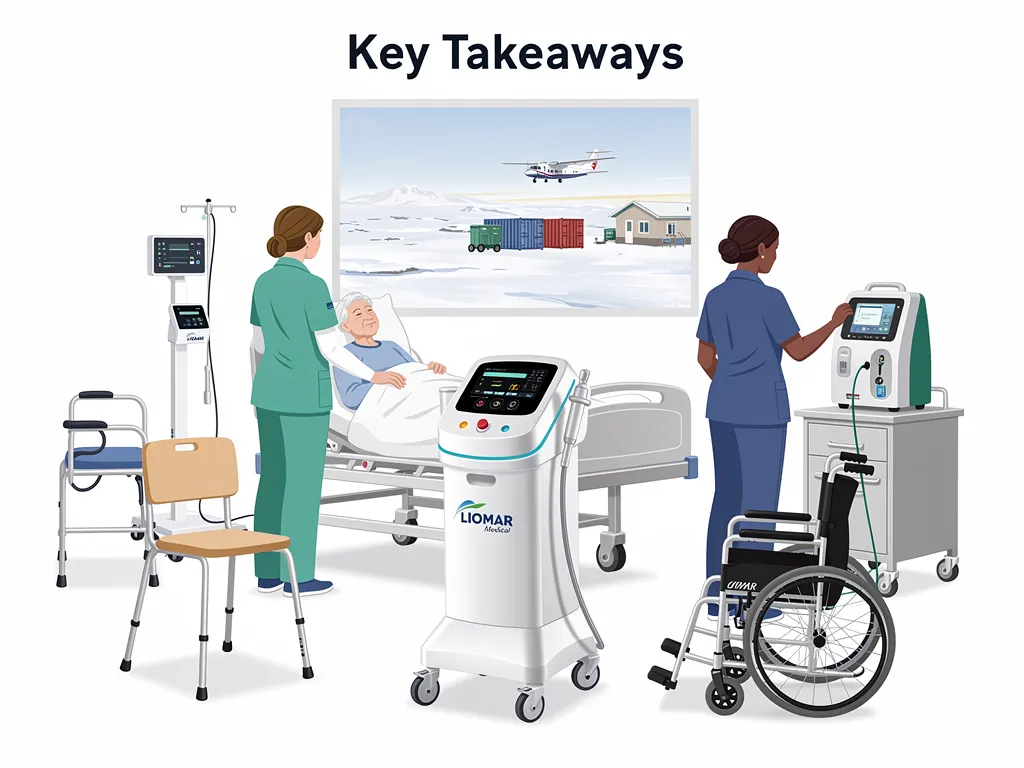
At LIOMAR Medical, the Wishower, an in-bed shower system, transforms this experience, prioritizing comfort and dignity. This innovation aligns with the Social pillar of Environmental, Social, and Governance (ESG) principles, emphasizing respect, inclusion, and well-being.
This article examines the patient experience during bath time within Canada’s healthcare system, details how the Wishower redefines this moment, and highlights its role in advancing compassionate, equitable care.
The Canadian Healthcare Landascape: A Patient's Context
Canada’s healthcare system shapes patient experiences through a complex interplay of dynamics:
Urban Overload: In cities like Halifax, Edmonton or Ottawa all over the country, overcrowded facilities often reduce bath time due to a lack of resources. The Canadian Institute for Health Information (CIHI) reports that urban hospitals frequently operate at over 100% capacity, straining resources and staff time (CIHI, 2021).
Rural Realities: In remote and rural regions, patients are often constrained to outdated equipments—think creaky lifts, shower trolleys and tubs. Statistics Canada indicates that 18% of Canadians live in rural areas, often traveling over 100 kilometers for specialized care, amplifying discomfort (Statistics Canada, 2023).
Cultural Crossroads: From Punjabi-speaking seniors in Brampton to Francophone families in Quebec City, cultural diversity influences care needs. The Mental Health Commission of Canada notes that culturally insensitive care can increase patient anxiety by up to 25%, underscoring the need for tailored approaches (Mental Health Commission of Canada, 2022).
These factors elevate bath time’s challenges, impacting patients’ emotional and physical states.
The Emotional and Sensory Burden of Bath Time
Traditional bathing processes and methodology impose significant burdens on bedridden patients, as evidenced by research and firsthand accounts:
Sensory Overload: Harness strapping, the hiss of the lift, and the clang of metal rails overwhelm bedbound patients. A Regina patient describes it: “It’s like my body doesn’t know how to relax anymore.” Studies show that poorly managed bathing environments increase patient discomfort by 40% (Stone et al., 2015)
Loss of Dignity: Lack of intimacy during bathing can erode one’s dignity . The Canadian Journal of Aging found that 72% of seniors feel diminished during assisted bathing, a statistic reflecting the emotional toll (Gallagher et al., 2008)
Isolation: Tight staff schedules limit interaction. The Commonwealth Fund reports that 30% of Canadian patients feel isolated during hospital stays, a figure rising to 45% in long-term care settings (Commonwealth Fund, 2022).
These experiences resonate beyond the bathing time, affecting patients’ sense of self and trust in their care.

The Wishower: Redefining Patient Care with ESG Principles
The Wishower reimagines bath time for bedridden patients, aligning with ESG’s Social pillar:
Improved Dignity: The bed shower is performed directly in the intimacy of the patient’s room, reinforcing the sense of care and social value.
Sensory Comfort: Digitally controlled water temperature and a constant, gentle flow from a handheld shower head, sooth patients throughout the care. The Mental Health Commission of Canada states that small comforts like temperature control can reduce stress by up to 30%, enhancing well-being (Mental Health Commission of Canada, 2022).
Empowerment: Patients avoid unnecessary transfers, thus augmenting a sense of control. A Kelowna patient shares, “My PSW even allows me to hold the shower head myself from time to time!” This sense of increased autonomy supports ESG’s ‘’social’’ pillar.
Connection: The patient centered experience combined with the increased comfort allows caregivers to engage meaningfully, fostering trust—another key ESG Social goal.
This shift offers bed bound patients a different, compassionate, efficient hygienic care.
Systemic Benefits: Equity and Resilience
The Wishower’s impact extends beyond the bedside, delivering outcomes aligned with ESG principles:
Equity: In remote communities or areas where water and energy consumption are an everyday issue, often limiting certain patient classes to sponge baths instead of a complete hygienic care, Wishower allows these patients the legitimacy of a real bathing experience with significantly less water usage and heating than traditional bathtubs. The Canadian Patient Safety Institute confirms that patient-centered innovations like this improve satisfaction by 35%, bridging gaps in care quality (Canadian Patient Safety Institute, 2019).
Resilience: Easing bath time’s burden lifts patients’ spirits. The Mental Health Commission of Canada notes that stress reduction of 30% bolsters emotional resilience, aiding recovery (Mental Health Commission of Canada, 2022).
Trust: Less logistical strain fosters staff-patient rapport. Healthcare Excellence Canada states that positive interactions improve care outcomes by 20%, enhancing trust and connection (Healthcare Excellence Canada, 2021).
For healthcare workers, this reduces physical demands; for executives, it boosts satisfaction and aligns with ESG goals.
Conclusion: A Vision for Patient-Centered Care
LIOMAR Medical envisions a Canada where bath time for bedbound people is a source of comfort and joy for all involved. The Wishower embodies ESG’s Social heart—honoring dignity, soothing senses, and weaving patients into a fairer healthcare narrative. From Haida Gwaii to St. John’s, every patient’s experience matters.
Sources
Canadian Institute for Health Information (CIHI). (2021). Hospital Overcrowding in Canada. https://www.cihi.ca/en/hospital-overcrowding-in-canada
Canadian Journal of Aging. (2008). Dignity in Care: The Views of Patients and Relatives by Gallagher, A., et al. https://www.cambridge.org/core/journals/canadian-journal-on-aging-la-revue-canadienne-du-vieillissement
Canadian Patient Safety Institute. (2019). Patient Experience Survey: Long-Term Care. https://www.patientsafetyinstitute.ca/en/toolsResources/Pages/default.aspx
Commonwealth Fund. (2022). International Health Care System Profiles: Canada. https://www.commonwealthfund.org/international-health-policy-center/countries/canada
Health Canada. (2023). Rural Healthcare Access Statistics. https://www.canada.ca/en/health-canada.html
Healthcare Excellence Canada. (2021). Improving Patient Outcomes Through Staff Engagement. https://www.healthcareexcellence.ca/en/
Mental Health Commission of Canada. (2022). Mental Health and Small Comforts in Care Settings. https://www.mentalhealthcommission.ca
Nursing Times. (2020). Efficiency in Patient Bathing Procedures. https://www.nursingtimes.net/clinical-archive/patient-bathing/
Statistics Canada. (2023). Rural Population and Healthcare Access. https://www.statcan.gc.ca/en/subjects/health
Stone, P. W., et al. (2015). Impact of In-Room Hygiene Interventions on Patient Comfort. American Journal of Infection Control, 43(6), 592-598. https://www.ajicjournal.org/article/S0196-6553(15)00234-8/fulltext