Table of Contents
Five Technologies for Efficient Long-Term and Acute Care Networks in Canada
Budgets under pressure, innovating to support care
Introduction
Canada’s healthcare system is facing a steady rise in spending, combined with inflationary pressures and a significant shortage of healthcare staff. In 2024, healthcare spending is expected to increase by 5.7%, reaching $372 billion, or 12.4% of the country’s GDP—a record level excluding the pandemic [1].
While each province manages its own healthcare budget, the overall national pressure reflects shared challenges: an aging population, staff shortages, and rising operational costs. Across the country, shortages are estimated in the tens of thousands of staff members, particularly nurses. A 2023 survey revealed that 42% of Canadian nurses were considering leaving the profession, with overwork cited as the main factor by 71% [4].
To address these issues, federal investments are underway. In 2023, the Government of Canada announced a nearly $200 billion health care investment over 10 years, including $46.2 billion in new funding through the Canada Health Transfer and bilateral agreements with provinces and territories [6]. For example, the 2024 agreements allocate $2 billion over 4 years to improve primary care access, reduce surgical backlogs, and support digital transformation [6].
Despite this support, many provincial governments express concern about the federal share of healthcare funding, which often remains below 25% of total expenditures [2]. More than ever, efficiency and innovation are essential to deliver quality care within budget constraints.
This article outlines five proven technological strategies that healthcare leaders—from hospital administrators to department heads—can implement to control costs while improving care quality and staff well-being.
1. Making hygiene care easier with the Wishower™ mobile shower
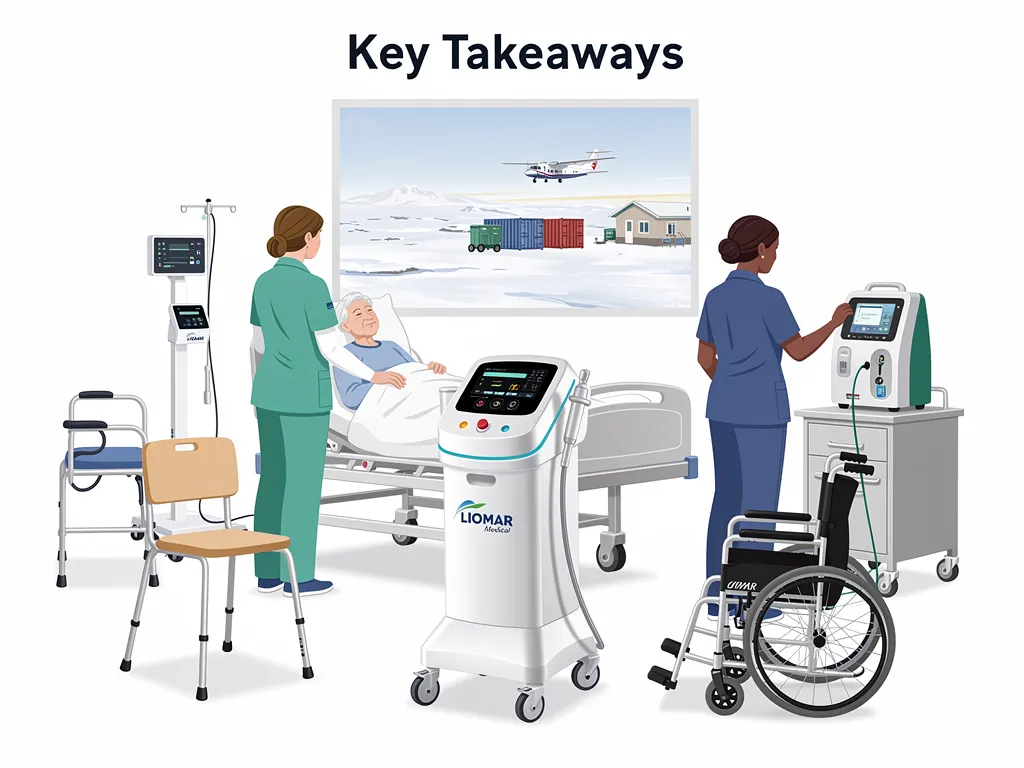
Developed in Quebec and now available across Canada, the Wishower by LIOMAR Medical™ is a mobile hygiene unit that enables full-body showers for bedridden patients directly in bed—no transfer needed. This methodology improves patient dignity, reduces physical strain on staff, and prevents infection spread risks, thanks in part to an integrated disinfection system [7][8].
A complete wash takes approximately 8 minutes, and the full cycle (including setup and cleaning) takes less than 26 minutes [8]. Time savings can reach up to 1 hour per patient per day in long-term care units [7], freeing up staff for other critical tasks. Aside from the methodology’s direct care benefits to the patients/residents/healthcare workers, these types of efficiencies can represent up to ~$75,000 in annual time savings, a fabulous return on investment year after year.
2. ERP systems for optimized management of consumables
Medical consumables account for 15–20% of hospital operating budgets [10]. Implementing ERP systems helps reduce overstocking, avoid shortages, and automate reordering. Hospitals using ERP systems have reported cost reductions of 10–20% thanks to better tracking, data-based purchasing, and fewer expired products [12][13].
In Canada, large healthcare institutions (e.g., regional health authorities, teaching hospitals) can save millions annually by optimizing inventory management and reducing emergency procurement [11].
3. AI-assisted workforce planning
Staffing in 24/7 healthcare environments is notoriously complex. AI-driven planning tools generate optimized schedules while respecting labor rules and staff preferences. In a 2025 trial in France, 4 of the 5 best schedules were produced by AI [15].
Canadian hospitals adopting these solutions report fewer last-minute changes, less overtime, and reduced dependence on costly temp agencies. Even a 1% reduction in overtime for a 1,000-staff facility could save hundreds of thousands annually. These tools typically cost under 0.5% of payroll [16].
4. Connected ergonomic equipment (IoT)
Musculoskeletal injuries are a top cause of absenteeism in Canada’s healthcare sector [17]. Smart devices—like ceiling lifts and lumbar-assist exoskeletons—reduce physical strain and injury risk. Studies show 62% fewer injuries and 84% lower compensation costs when such tools are deployed [18][19].
Tools like the Japet.W exoskeleton, already in use in Canadian institutions, reduce lumbar pressure by 30–40% [19]. These investments (typically $5,000–$10,000 per device) yield rapid ROI through fewer injury claims, less absenteeism, and improved staff retention.
5. IoT sensors and predictive maintenance
Preventing breakdowns in critical infrastructure—such as vaccine fridges or surgical equipment—is essential. IoT sensors monitor temperatures, vibrations, and other indicators, enabling maintenance teams to act before failure occurs.
For example, a Canadian hospital lost over 1,000 COVID-19 vaccines due to refrigeration failure—something an IoT alert system could have prevented [20]. McKinsey estimates predictive maintenance via IoT can reduce maintenance costs by up to 40% and unplanned downtime by 50% [21].
These sensors cost only tens to hundreds of dollars, and their benefits in avoiding equipment failure and extending asset lifespan are substantial.
FAQ:Wishower™ – Mobile bed shower
Is the Wishower™ safe for elderly or frail patients?
Yes. The system avoids physical transfers, reducing fall risks. The water temperature is regulated, and the process is entirely controlled.
Is it easy to use?
Yes. Training typically takes under an hour, and staff adapt quickly.
Is it hygienic?
The system includes automatic decontamination between uses, minimizing infection risks.
Where can it be used?
In any patient room with a power outlet and standard bed setup.
How do patients react?
Most patients appreciate the comfort and dignity of a full shower over sponge baths.
References
1. Canadian Institute for Health Information (CIHI). (2024). Health care spending in Canada. Retrieved from https://www.cihi.ca
2. Government of Quebec. (2024). Budget 2024–2025 – Health and Social Services. Retrieved from https://www.finances.gouv.qc.ca
3. Journal de Montréal. (2024). Healthcare workforce crisis. Retrieved from https://www.journaldemontreal.com
4. Montreal Economic Institute. (2023). Study on the nursing profession. Retrieved from https://www.iedm.org
5. BNP Paribas Inspire. (2024). Quebec Health Plan. Retrieved from https://www.bnpinspire.com
6. Government of Canada. (2024). Federal Health Transfers. Retrieved from https://www.budget.canada.ca
7. REISD Canada. (2024). Wishower™ mobile shower technology. Retrieved from https://www.reisd.care
8. Liomar Medical. (2024). Wishower™ technical specifications. Retrieved from https://www.liomarmedical.com
9. BusinessPlan-Templates.com. (2023). Hospital cost analysis. Retrieved from https://www.businessplan-templates.com
10. Cloudlist.fr. (2023). Hospital ERP trends and use cases. Retrieved from https://www.cloudlist.fr
11. Supply Chain Dive. (2023). Improving efficiency in hospital supply chains. Retrieved from https://www.supplychaindive.com
12. TRG International. (2023). McKesson procurement platform case studies. Retrieved from https://www.trginternational.com
13. Santé Mentale France. (2023). Healthcare workforce planning challenges. Retrieved from https://www.santementale.fr
14. ActuIA. (2025). AI-assisted scheduling in hospitals. Retrieved from https://www.actuia.com
15. Ibid.
16. HospitalHealth. (2023). Occupational hazards for healthcare workers. Retrieved from https://www.hospitalhealth.com.au